Perfect Business Strategy Alignment

In today's rapidly evolving business landscape, the ability to execute strategy effectively often determines an organization's success or failure. This execution hinges significantly on business strategy alignment, a critical concept that ensures every part of an organization works in concert towards common strategic objectives. Without it, even the most brilliant strategies can falter, leading to wasted resources, internal friction, and missed opportunities. Achieving this synergy is not merely about having a well-defined plan; it's about embedding that plan into the very fabric of the organization, from top-level leadership down to daily operational tasks.
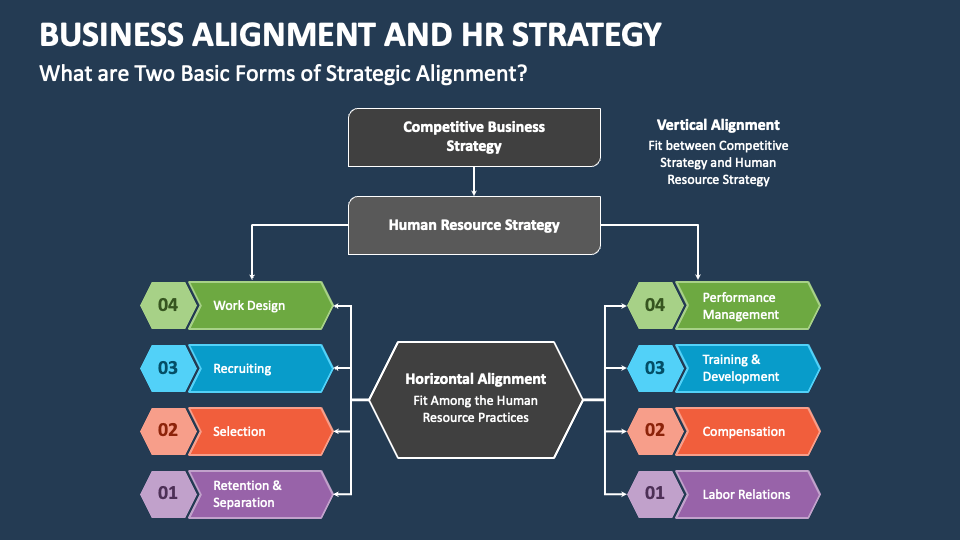
Perfect alignment transforms an abstract vision into tangible results, creating a powerful ripple effect across all departments and functions. It means that individual goals, team objectives, departmental projects, and even company culture are all geared towards supporting the overarching strategic direction. When every employee understands how their daily work contributes to the bigger picture, purpose and productivity surge.
Conversely, a lack of alignment can manifest as disjointed efforts, conflicting priorities, and a general sense of confusion. Departments might operate in silos, unaware of or even undermining each other's contributions to the same strategic goals. This disconnect inevitably leads to inefficiencies, delays, and a significant drain on resources, ultimately impacting profitability and market position.
This article delves into the intricacies of achieving perfect business strategy alignment, exploring its foundational elements, the common obstacles organizations face, and practical frameworks to foster an environment where strategy isn't just understood, but lived. By understanding and implementing the principles of strategic alignment, businesses can unlock their full potential, navigate challenges with greater agility, and achieve sustained competitive advantage.

Understanding Business Strategy Alignment

At its core, business strategy alignment is the process of ensuring that an organization's structure, resources, processes, technology, and people are all orchestrated to support its overarching strategic goals. It's about creating coherence and consistency across all levels of the enterprise, so that every effort, every decision, and every investment moves the company closer to its desired future state. Think of it as a symphony where every musician plays their part perfectly in harmony, guided by a single conductor and a unified score.
True alignment goes beyond merely cascading goals down from the executive suite. It involves a deep understanding and buy-in at every level. Employees need to not only know what the strategy is but also why it matters and how their specific role contributes to its success. This shared understanding fosters a sense of collective ownership and purpose, transforming a collection of individuals into a powerful, cohesive unit.

The concept of alignment isn't static; it's a continuous journey of adjustment and refinement. As markets shift, technologies evolve, and competitive landscapes change, strategies must adapt. Consequently, the alignment mechanisms within the organization must also be flexible enough to accommodate these shifts without losing sight of the core strategic intent. This dynamic nature means that achieving perfect alignment requires ongoing attention, communication, and leadership commitment.
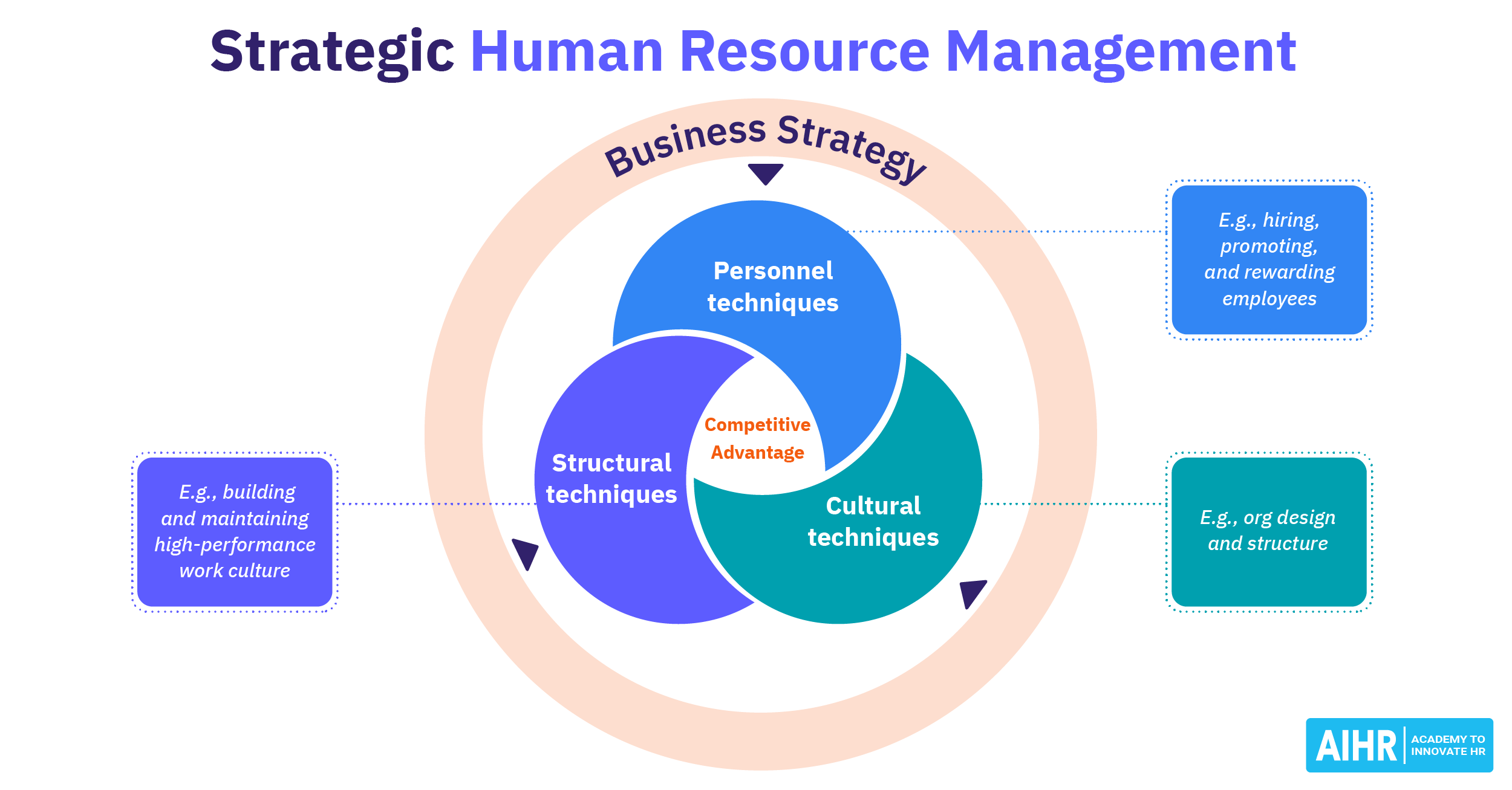
The Imperative of Perfect Business Strategy Alignment
The benefits of achieving optimal business strategy alignment are profound and far-reaching, touching every aspect of an organization's performance and culture. Without it, even the most innovative strategies are likely to remain aspirational rather than actualized.

First and foremost, alignment drives efficiency and effectiveness. When all parts of the organization are pulling in the same direction, redundant efforts are minimized, resources are optimized, and decision-making becomes more streamlined. This leads to faster execution, reduced costs, and a higher likelihood of achieving strategic objectives on time and within budget. Instead of departments working at cross-purposes, they collaborate synergistically, leveraging each other's strengths.
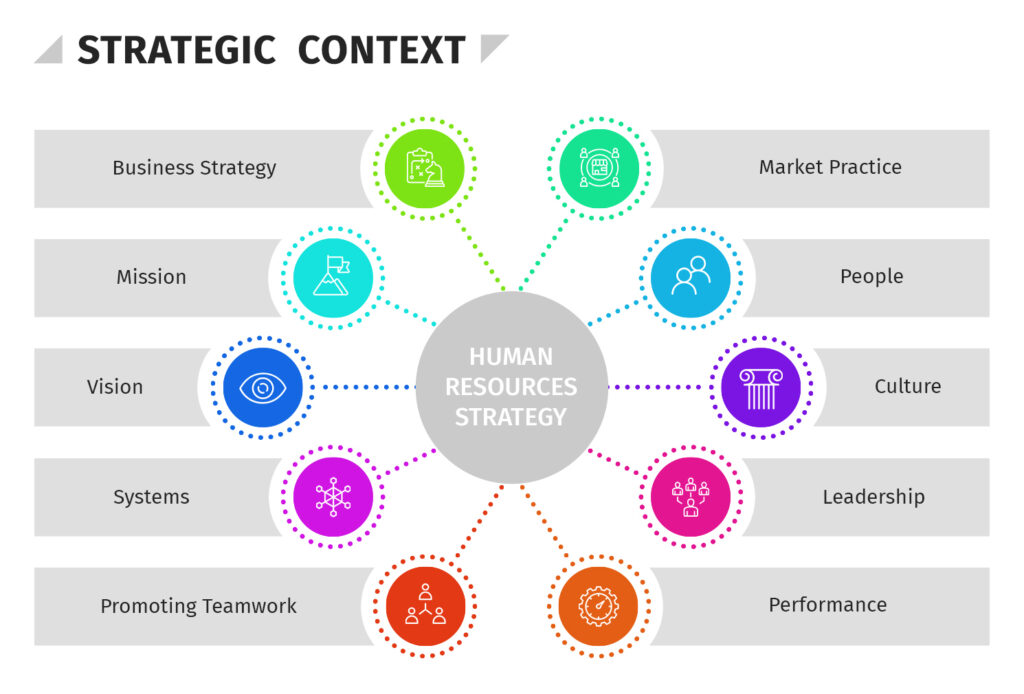
Secondly, alignment significantly enhances employee engagement and morale. When employees understand the "why" behind their work and see how their contributions directly impact the company's success, they feel more valued, motivated, and committed. This clarity fosters a stronger sense of purpose and belonging, reducing turnover and attracting top talent. Engaged employees are more productive, innovative, and resilient in the face of challenges.
Furthermore, perfect alignment improves an organization's agility and adaptability. In today's volatile business environment, the ability to pivot quickly is paramount. When strategy is deeply embedded and understood, the organization can respond to market changes, competitive pressures, or emerging opportunities with greater speed and coordination. Departments don't need to re-evaluate their entire modus operandi; they simply adjust their aligned efforts to the new strategic imperative.
Finally, strong strategic alignment directly impacts financial performance and competitive advantage. Organizations with well-aligned strategies consistently outperform their peers in terms of revenue growth, profitability, and market share. This is because their efforts are focused, their investments are optimized, and their entire operational machinery is geared towards achieving superior results, enabling them to gain and sustain a competitive edge.
Core Pillars of Effective Business Strategy Alignment
Achieving perfect business strategy alignment is a multifaceted endeavor that rests upon several critical pillars. These foundational elements work in concert to ensure that strategy permeates every level of the organization, from its grand vision to its daily operations.
Clear Vision and Strategic Goals
The absolute starting point for any successful alignment effort is a clearly defined vision and strategic goals. Without a precise understanding of where the company is headed and what it aims to achieve, alignment is impossible. The vision must be compelling and inspirational, providing a guiding star for all efforts. Strategic goals, derived from this vision, must be SMART (Specific, Measurable, Achievable, Relevant, Time-bound) and communicated widely. Every employee, from the executive team to the front-line staff, should be able to articulate the company's core purpose and primary objectives. This clarity acts as the blueprint, informing all subsequent alignment activities.
Organizational Structure and Resource Allocation
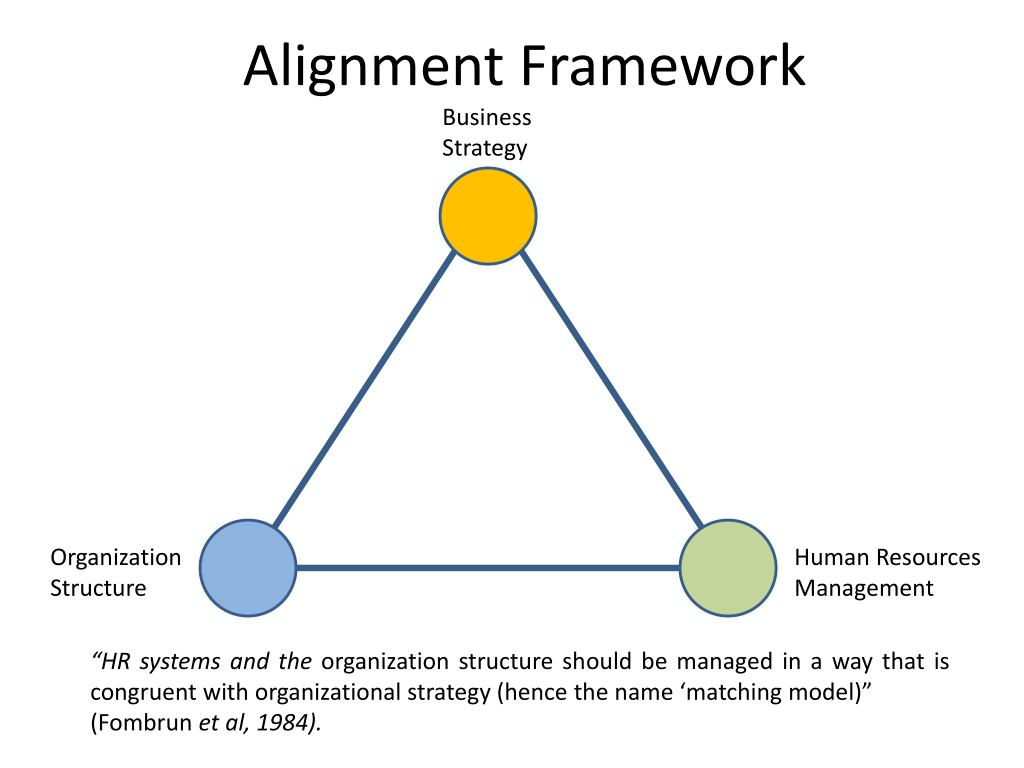
The way an organization is structured significantly impacts its ability to execute strategy. An aligned organizational structure supports communication flows, decision-making processes, and accountability necessary for strategic execution. This might involve flatter hierarchies, cross-functional teams, or matrix structures that break down silos and encourage collaboration rather than competition between departments. Equally crucial is resource allocation. Financial capital, human talent, and technological assets must be allocated in a way that directly supports strategic priorities. If resources are diverted to non-strategic initiatives, it signals a disconnect and undermines alignment efforts.
People, Culture, and Employee Engagement
Ultimately, strategy is executed by people. Therefore, people, culture, and employee engagement are arguably the most vital pillars of alignment. This involves recruiting, developing, and retaining talent whose skills and values align with the strategic direction. Performance management systems, compensation structures, and training programs should all reinforce strategic goals. Moreover, an organizational culture that promotes transparency, collaboration, accountability, and continuous learning is essential. When employees feel connected to the company's purpose, are empowered to contribute, and see their efforts recognized, their commitment to the strategy dramatically increases. Leaders play a crucial role in modeling desired behaviors and fostering an environment where strategy is discussed openly and frequently.
Process Optimization and Technology Integration
Operational processes and technological infrastructure must be optimized to facilitate strategic execution. Process optimization involves streamlining workflows, eliminating bottlenecks, and ensuring that daily operations contribute efficiently to strategic objectives. For example, if a strategy is to enhance customer experience, then customer-facing processes must be designed for seamless interaction. Technology integration supports these processes by providing the tools and data necessary for effective execution and monitoring. This includes everything from CRM systems that capture customer data to project management software that tracks strategic initiatives, ensuring that technology acts as an enabler rather than an impediment to strategic success.
Overcoming Challenges in Business Strategy Alignment
While the benefits of business strategy alignment are clear, achieving it is rarely straightforward. Organizations frequently encounter several common challenges that can derail even the most well-intentioned efforts. Recognizing these obstacles is the first step toward effectively overcoming them.
One of the most pervasive challenges is poor communication. Strategy often remains confined to the executive boardroom, failing to cascade effectively down to all levels of the organization. This leads to a lack of understanding, confusion about priorities, and a feeling among employees that they are "out of the loop." Without clear, consistent, and multi-directional communication, employees cannot possibly align their efforts with strategic goals.
Another significant hurdle is siloed departments and a lack of cross-functional collaboration. When departments operate independently with their own metrics and objectives that are not integrated with the broader strategy, they can unknowingly work at cross-purposes. This leads to inefficiencies, duplicated efforts, and missed opportunities for synergy. A "us vs. them" mentality can develop, hindering the cohesive effort required for strategic success.
Resistance to change is also a common and powerful barrier. Employees, accustomed to existing routines and comfort zones, may resist new ways of working, new processes, or shifts in priorities mandated by a new strategy. This resistance can stem from fear of the unknown, a lack of understanding of the benefits, or a feeling that their current contributions are being devalued. Without effective change management and leadership buy-in, this resistance can severely impede alignment.
Furthermore, inadequate leadership buy-in and modeling can undermine alignment efforts from the top down. If leaders themselves do not fully embrace the strategy, communicate it consistently, or model the behaviors required for its execution, employees will quickly perceive a disconnect. A lack of visible commitment from leadership sends a message that the strategy is not truly important, making it difficult to motivate others to align.
Finally, insufficient or misaligned performance metrics and incentives can create a significant roadblock. If individual and team performance is measured and rewarded based on activities that are not directly linked to the strategic goals, employees will naturally prioritize what they are evaluated on, rather than what the strategy demands. This creates a powerful disincentive for alignment and can inadvertently foster behaviors that contradict the strategic direction. Addressing these challenges requires sustained effort, strong leadership, and a commitment to continuous improvement.
A Practical Framework for Achieving Business Strategy Alignment
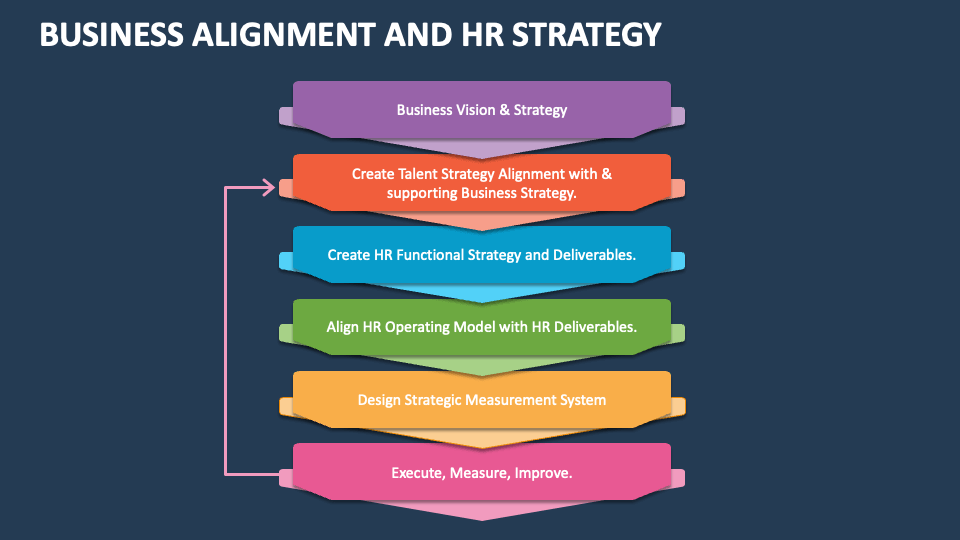
Translating the concept of business strategy alignment into actionable steps requires a structured approach. While every organization's journey will be unique, a practical framework can guide the process, ensuring comprehensive and sustainable alignment.
Define and Disseminate the Strategy
The first step is to clearly define and articulate the strategy. This involves developing a concise strategic plan that outlines the vision, mission, core values, long-term objectives, and key strategic initiatives. Once defined, the strategy must be disseminated effectively throughout the entire organization. This goes beyond a single announcement; it requires multiple communication channels, repeated messaging, and opportunities for dialogue. Workshops, town halls, internal newsletters, and digital platforms can all be utilized to ensure every employee understands the strategy, its rationale, and their role within it. Encourage questions and feedback to foster understanding and buy-in.
Foster Cross-Functional Collaboration
Strategic alignment thrives on collaboration. Actively break down departmental silos by encouraging and facilitating cross-functional teams for strategic projects. Establish shared goals that require interdepartmental cooperation, and recognize collective achievements. Promote a culture where information is shared freely and where employees from different areas feel comfortable collaborating on solutions. Tools and processes that support joint planning, problem-solving, and decision-making can be instrumental here, fostering a sense of shared responsibility for strategic outcomes.
Establish Performance Metrics and Accountability
What gets measured gets done. To truly achieve alignment, establish clear and measurable performance metrics (KPIs) that directly link individual, team, and departmental performance to the overarching strategic goals. These metrics should be transparent, regularly tracked, and communicated. Crucially, align incentive and reward systems with these strategic KPIs. When employees know that their contributions to the strategy will be recognized and rewarded, it creates a powerful intrinsic and extrinsic motivator for alignment. Implement regular performance reviews that include discussions on strategic contributions and identify areas for further alignment.
Continuous Monitoring and Adaptation
Strategic alignment is not a one-time event; it's an ongoing process that requires continuous attention. Regularly monitor progress against strategic goals and KPIs, and be prepared to adapt the strategy and alignment efforts as internal and external conditions change. This involves periodic strategic reviews, often quarterly or annually, where leaders assess progress, identify roadblocks, and make necessary adjustments. Gather feedback from all levels of the organization to identify misalignment early and take corrective action. This iterative approach ensures that alignment remains dynamic, relevant, and responsive to the evolving business landscape, maintaining the "perfect" state of alignment over time.
The Future of Business Strategy Alignment in a Dynamic World
The concept of business strategy alignment is becoming increasingly critical in a world characterized by unprecedented speed, complexity, and disruption. As industries transform and new challenges emerge, the ability to rapidly align an organization to evolving strategic imperatives will separate the leaders from the laggards. The future of alignment will likely be shaped by several key trends, emphasizing agility, data-driven insights, and a deeply human-centric approach.
One significant trend is the increasing reliance on data analytics and artificial intelligence. Future alignment efforts will leverage advanced analytics to provide real-time insights into strategic performance, identify areas of misalignment with greater precision, and even predict potential future disruptions. AI-powered tools could help organizations model the impact of strategic changes across various functions, optimizing resource allocation and predicting outcomes with greater accuracy. This data-driven approach will enable more proactive and precise adjustments to alignment.
Secondly, the rise of remote and hybrid work models fundamentally alters how organizations achieve alignment. Traditional top-down communication and in-person team building become more challenging. Future alignment will require innovative digital collaboration tools, asynchronous communication strategies, and a greater emphasis on fostering a strong, inclusive culture that transcends geographical boundaries. Leaders will need to be particularly adept at maintaining connection, transparency, and shared purpose across distributed teams.
Furthermore, there will be a heightened focus on employee empowerment and purpose-driven alignment. As the workforce demands more meaning from their work, future alignment efforts will emphasize connecting individual roles and daily tasks to the company's broader impact and purpose. This involves greater autonomy, opportunities for skill development, and clear pathways for employees to contribute their ideas to strategic discussions. Alignment will become less about strict compliance and more about inspiring intrinsic motivation and collective ownership.
Finally, the future of strategic alignment will be characterized by continuous agility and adaptability. Static, five-year strategic plans are giving way to more dynamic, iterative approaches. Organizations will need to build in mechanisms for rapid strategic review, immediate feedback loops, and the ability to pivot quickly. This means that alignment processes themselves must be agile, allowing for swift adjustments to organizational structures, processes, and resource allocation in response to market shifts. The future of perfect business strategy alignment lies in its ability to be both robust and remarkably flexible.
Conclusion
Achieving perfect business strategy alignment is not merely an aspiration but a critical imperative for organizations seeking sustained success in today's competitive landscape. It is the invisible force that transforms a well-crafted strategic plan from a document into a living, breathing operational reality. By ensuring that every element of an organization—its vision, structure, people, processes, and technology—works in harmonious concert towards shared goals, businesses can unlock unparalleled levels of efficiency, innovation, and profitability.
The journey to perfect alignment requires a clear, compelling strategy, robust communication channels, and a culture that values collaboration and accountability. It demands strong leadership that consistently models desired behaviors and actively fosters an environment where every employee understands their contribution to the bigger picture. While challenges like siloed departments and resistance to change are inevitable, they can be overcome through deliberate effort, effective change management, and a commitment to continuous improvement.
In an increasingly dynamic world, the capacity for organizations to swiftly adapt and realign will be a defining characteristic of market leaders. By embracing data-driven insights, fostering remote collaboration, empowering employees, and building inherent agility into their strategic processes, businesses can ensure their business strategy alignment remains not just strong, but truly perfect, paving the way for enduring success and competitive advantage.