Mastering Financial Forecasting

Predicting the financial future of a business is not merely a strategic luxury; it is a fundamental necessity for survival and growth in today's dynamic economic landscape. This is where financial forecasting plays an indispensable role. It involves using historical data, current market conditions, and anticipated trends to project a company's future financial performance, encompassing everything from sales and expenses to profits and cash flow. For businesses of all sizes, mastering this discipline is paramount, providing a clear roadmap for decision-making and resource allocation.

Effective financial forecasting equips leaders with the foresight to navigate potential challenges and seize emerging opportunities. It transforms uncertainty into manageable risk, allowing companies to proactively adjust their strategies, whether that means securing additional funding, optimizing operational efficiency, or expanding into new markets. Without a robust forecasting framework, businesses often operate in the dark, reacting to events rather than shaping their destiny.

The accuracy and reliability of these projections directly influence a company's ability to set realistic budgets, manage cash flow, and ultimately, achieve its long-term objectives. It's an ongoing process, requiring continuous refinement and adaptation to new information and changing circumstances.
Furthermore, a well-articulated financial forecast is a powerful communication tool. It provides transparency to stakeholders, including investors, lenders, and employees, demonstrating a clear vision for the future and building confidence in the company's stability and potential for success.

This guide will delve into the intricacies of financial forecasting, exploring its core components, essential methodologies, and best practices that can empower your organization to make more informed, data-driven decisions.
What is Financial Forecasting?

At its core, financial forecasting is the process of estimating a company's future financial outcomes over a specified period. It's a structured approach that moves beyond simple guesswork, relying instead on a combination of quantitative analysis of past performance and qualitative insights into future market conditions and business strategies. The goal is to create a reasonable estimation of what the financial statements will look like at a future point in time.

Unlike budgeting, which outlines planned expenditures and revenues, forecasting attempts to predict what will actually happen, often adjusting budgets as new information becomes available. A comprehensive financial forecast typically encompasses several key components, each offering a specific view of the company's projected financial health.

Key Components of a Financial Forecast
A robust financial forecast typically includes projections for the following:

- Sales Forecast: This is often the starting point, as sales volume directly impacts most other financial metrics. It estimates future revenue based on historical sales data, market trends, promotional activities, and economic indicators.
- Expense Forecast: This component projects future operating costs, including cost of goods sold (COGS), salaries, rent, utilities, marketing expenses, and administrative overhead. Accurate expense forecasting is crucial for profitability analysis.
- Profit and Loss (P&L) Forecast: Also known as the income statement forecast, this consolidates sales and expense projections to estimate future net income or loss. It provides a clear picture of expected profitability.
- Cash Flow Forecast: Perhaps one of the most critical components, the cash flow forecast projects the movement of cash into and out of the business over a period. It highlights potential cash surpluses or deficits, enabling proactive management of liquidity.
- Balance Sheet Forecast: This projection estimates the future state of a company's assets, liabilities, and equity. It reflects the cumulative impact of forecasted P&L and cash flow activities on the company's financial position.
Why is Financial Forecasting Essential for Businesses?
The importance of financial forecasting extends far beyond mere number crunching. It serves as a strategic compass, guiding a business through complex operational and market challenges.
Strategic Planning and Decision Making
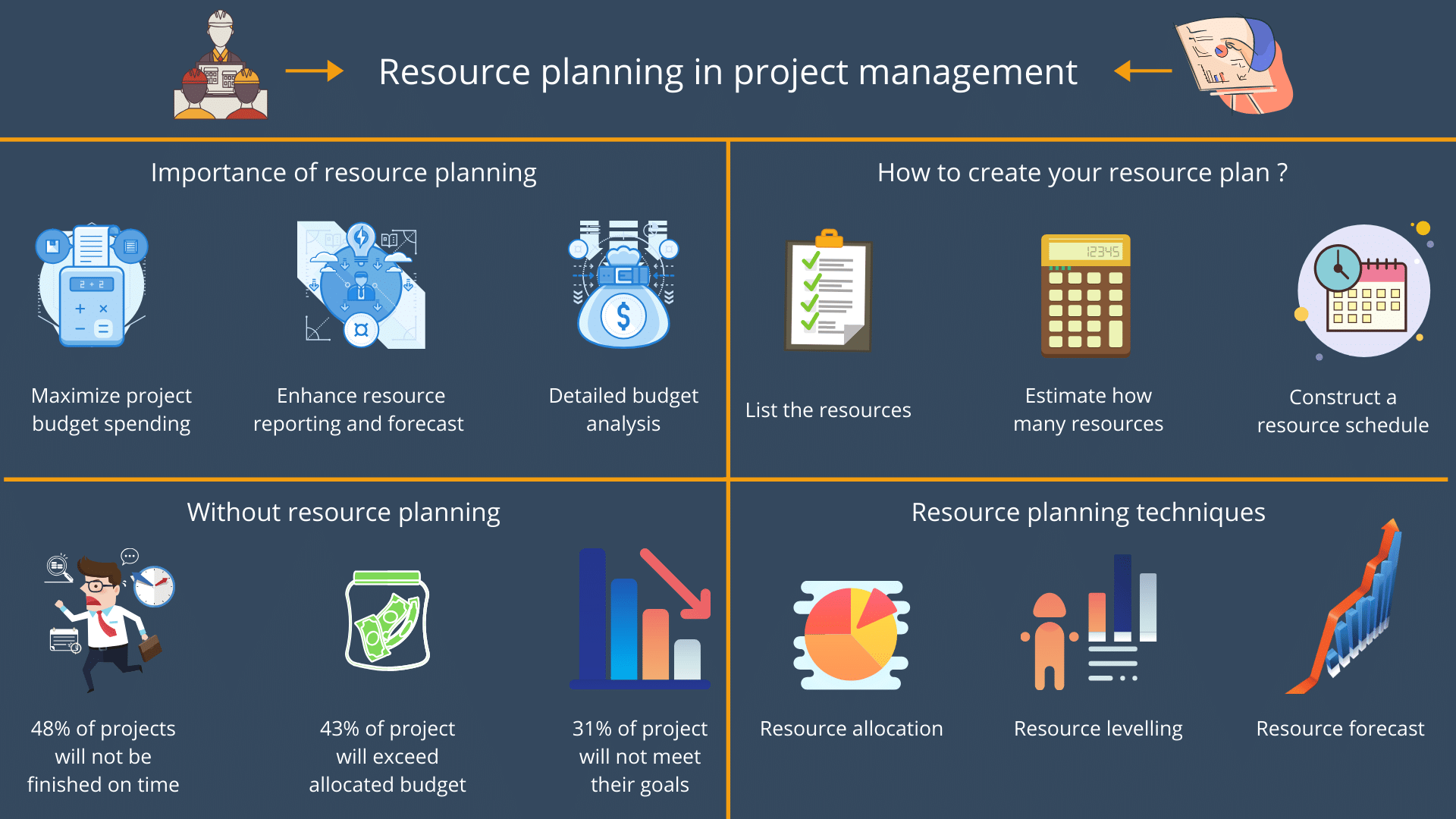
Financial forecasts provide the backbone for a company's strategic planning. By projecting future revenues and expenses, businesses can assess the feasibility of new projects, evaluate expansion plans, and set realistic, measurable goals. This allows management to make informed decisions about resource allocation, market entry, and product development, aligning daily operations with long-term strategic objectives.
Budgeting and Resource Allocation
While distinct from budgeting, forecasting is inextricably linked to it. A solid forecast forms the foundation for creating realistic and effective budgets. It helps identify how much capital will be available, where it will come from, and how it should be allocated across different departments and initiatives. This ensures that resources are deployed efficiently to achieve maximum impact.
Risk Management and Mitigation
One of the most valuable aspects of financial forecasting is its ability to highlight potential financial risks before they materialize. By anticipating cash flow shortages, declines in sales, or increases in costs, businesses can implement preventative measures. This proactive approach to risk management can involve securing lines of credit, adjusting inventory levels, or developing contingency plans to weather economic downturns or unforeseen events.
Investor Relations and Capital Raising
For companies seeking external funding, a well-prepared financial forecast is non-negotiable. Investors and lenders scrutinize these projections to assess a company's viability, growth potential, and ability to repay debts. A compelling and credible forecast demonstrates a clear understanding of the business model and a realistic path to profitability, significantly enhancing a company's attractiveness to potential capital providers.
Types of Financial Forecasting Methods
Different scenarios and available data dictate which financial forecasting method is most appropriate. These methods generally fall into two broad categories: qualitative and quantitative.
Qualitative Forecasting
Qualitative methods are subjective and rely on expert judgment, intuition, and experience, especially when historical data is scarce or unreliable, such as for new product launches or in rapidly changing industries.
- Expert Opinion: Gathering insights from seasoned professionals within the company or industry.
- Delphi Method: A structured communication technique, originally developed as a systematic, interactive forecasting method which relies on a panel of experts. The experts answer questionnaires in two or more rounds. After each round, a facilitator provides an anonymized summary of the experts' forecasts from the previous round as well as the reasons for their judgments.
- Market Research: Surveys, focus groups, and customer feedback can provide valuable qualitative data on future demand or market acceptance.
Quantitative Forecasting
Quantitative methods are objective and rely on historical data and statistical analysis to predict future outcomes. They are most effective when sufficient reliable past data is available and when the underlying patterns are expected to continue.
- Time Series Analysis: These methods use historical data to identify patterns and trends over time, assuming that past performance is indicative of future results.
- Moving Averages: Calculates the average of a specific number of past data points to smooth out short-term fluctuations and reveal trends.
- Exponential Smoothing: Similar to moving averages but gives more weight to recent data points, making it more responsive to changes.
- Trend Analysis: Identifies linear or non-linear trends in historical data and projects them into the future. This is often used for sales growth.
- Seasonal Analysis: Accounts for predictable fluctuations that occur at specific times of the year (e.g., retail sales during holidays).
- Causal Models: These methods attempt to identify cause-and-effect relationships between the variable being forecasted and other external variables (independent variables).
- Regression Analysis: A statistical technique that models the relationship between a dependent variable (e.g., sales) and one or more independent variables (e.g., advertising spend, GDP, interest rates). Simple linear regression involves one independent variable, while multiple regression involves several.
- Econometric Models: More complex causal models that integrate economic theories and statistical techniques to forecast macroeconomic variables or their impact on a business.
Key Data Inputs for Effective Financial Forecasting
The accuracy of any financial forecast hinges directly on the quality and relevance of the data fed into the models. Robust forecasting demands a meticulous approach to data collection and analysis from various sources.
Historical Financial Data
This is the cornerstone of quantitative forecasting. It includes past sales figures, cost of goods sold, operating expenses, cash flow statements, and balance sheets. Analyzing trends, seasonality, and cycles within this historical data provides a baseline for future projections. The more granular and accurate this data, the more reliable the forecast.
Economic Indicators
External macroeconomic factors significantly influence business performance. Incorporating data on gross domestic product (GDP) growth, inflation rates, interest rates, unemployment rates, and consumer confidence indices can help adjust forecasts for broader economic conditions. For instance, a projected economic downturn might necessitate a more conservative sales forecast.
Industry Trends and Market Research
Understanding the broader industry landscape is crucial. This includes data on market growth rates, competitor performance, technological advancements, regulatory changes, and shifts in consumer preferences. Market research, competitive analysis, and industry reports provide valuable qualitative and quantitative insights that can refine forecasts, especially in dynamic sectors.
Internal Business Factors
Beyond historical financials, internal operational data and strategic plans must be integrated. This includes production capacity, inventory levels, pricing strategies, marketing campaign effectiveness, new product pipelines, and staffing levels. Changes in any of these internal factors can have a profound impact on future financial performance and must be factored into the forecast. For example, a planned increase in marketing spend will likely impact sales and expenses.
Challenges and Best Practices in Financial Forecasting
While indispensable, financial forecasting is not without its challenges. However, adopting best practices can significantly enhance the accuracy and utility of these vital projections.
Common Challenges
- Data Quality and Availability: Incomplete, inaccurate, or inconsistent historical data can lead to flawed forecasts.
- Market Volatility and Unpredictability: External factors like economic downturns, geopolitical events, or sudden market shifts are difficult to predict and can quickly render forecasts obsolete.
- Bias and Assumptions: Human bias (e.g., overly optimistic sales projections) and flawed assumptions can undermine forecast accuracy.
- Over-Reliance on Single Methods: Using only one forecasting method, especially for complex situations, can lead to a narrow and potentially inaccurate view.
- Lack of Collaboration: Forecasting often suffers when it's confined to a single department, lacking input from sales, operations, or marketing.
- Difficulty in Quantifying Qualitative Factors: Incorporating the impact of new products, competitor actions, or brand reputation can be challenging.
Best Practices for Accuracy
- Use Multiple Methods: Combine qualitative insights with quantitative techniques. For instance, use time series analysis for baseline sales but adjust with expert opinion for the impact of a new marketing campaign.
- Scenario Planning: Develop multiple forecasts (e.g., best-case, worst-case, most likely) to understand the range of potential outcomes and prepare for different contingencies.
- Regular Review and Adjustment: Financial forecasts are living documents. Review and update them frequently (e.g., monthly or quarterly) as new information becomes available and market conditions change.
- Involve Cross-Functional Teams: Solicit input from various departments – sales, marketing, operations, finance – to gain a more holistic and accurate picture. This broadens perspectives and fosters buy-in.
- Clearly State Assumptions: Document all underlying assumptions made during the forecasting process. This enhances transparency and allows for easier adjustments when assumptions change.
- Focus on Key Drivers: Identify the most significant variables that impact your financial performance and dedicate more effort to forecasting them accurately.
- Invest in Data Integrity: Ensure that historical data is clean, accurate, and consistently recorded. Implement systems that support robust data collection.
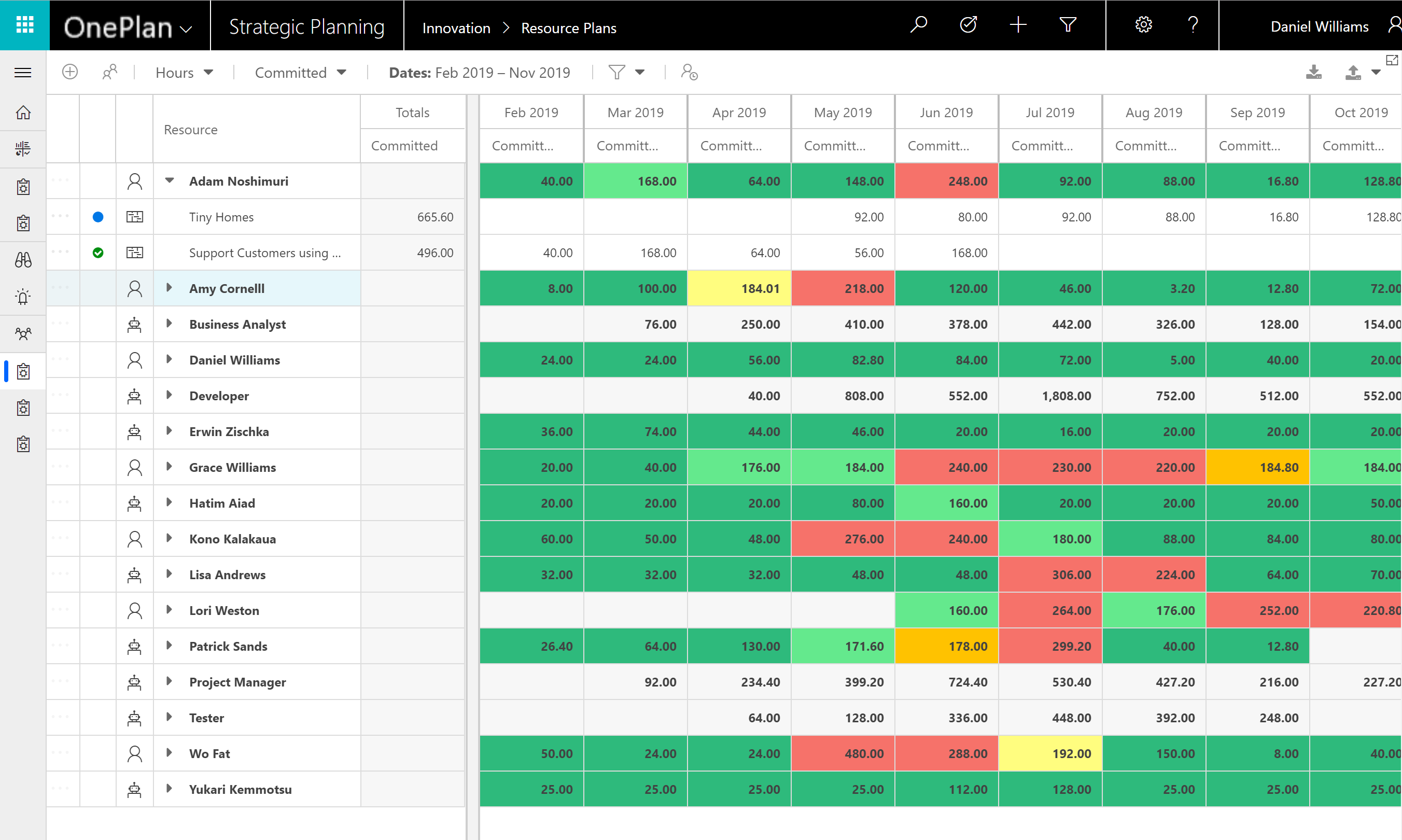
- Leverage Technology: Utilize appropriate software and tools that can automate calculations, integrate data, and facilitate scenario analysis.
Leveraging Technology in Financial Forecasting
The evolution of technology has dramatically transformed the landscape of financial forecasting, moving it from a laborious, manual process to a more efficient, accurate, and dynamic one.
Spreadsheet Software
Tools like Microsoft Excel or Google Sheets remain ubiquitous in financial forecasting, especially for smaller businesses or for initial, simpler models. Their flexibility allows users to build custom models, perform various calculations, and visualize data. However, for larger organizations or complex forecasting needs, spreadsheets can become unwieldy, prone to errors, lack robust version control, and struggle with real-time data integration.
Financial Planning and Analysis (FP&A) Software
Dedicated FP&A software solutions (e.g., Anaplan, Workday Adaptive Planning, Oracle Hyperion) are designed specifically for budgeting, planning, and forecasting. These platforms offer significant advantages:
* Data Integration: Connects with various enterprise systems (ERP, CRM) to pull real-time data.
* Scenario Modeling: Allows for rapid creation and analysis of multiple scenarios with "what-if" capabilities.
* Collaboration: Facilitates cross-functional input and streamlines the review process with built-in workflows.
* Automation: Automates repetitive tasks, reducing manual errors and freeing up finance professionals for more strategic analysis.
* Scalability: Handles large volumes of data and complex models more effectively than spreadsheets.
Predictive Analytics and AI
The cutting edge of financial forecasting involves leveraging predictive analytics and artificial intelligence (AI), particularly machine learning. These technologies can:
* Identify Hidden Patterns: Uncover complex relationships and patterns in vast datasets that might be invisible to human analysts or traditional statistical methods.
* Improve Accuracy: Machine learning algorithms can continuously learn from new data, improving forecast accuracy over time.
* Automate Forecasting: Automate the entire forecasting process, from data collection and model selection to generating predictions.
* Incorporate Unstructured Data: Analyze text (e.g., news articles, social media sentiment) to gauge market conditions and potential impacts.
* Real-time Adjustments: Provide near real-time forecasts that adapt immediately to new information or changing market conditions, offering a more agile response capability. While requiring significant investment and expertise, these tools are becoming increasingly accessible and are set to revolutionize how businesses predict their financial futures.
Conclusion
Mastering financial forecasting is not about predicting the future with absolute certainty, but rather about developing an informed and adaptable framework to navigate uncertainty. It transforms a company's financial journey from a reactive scramble to a proactive, strategic expedition. From understanding core definitions and selecting appropriate methodologies to meticulously gathering data and leveraging cutting-edge technology, each step contributes to building a more resilient and growth-oriented enterprise.
By integrating robust forecasting practices, businesses gain invaluable foresight into their potential financial performance, enabling more strategic decision-making, efficient resource allocation, and effective risk management. It empowers leaders to communicate a clear vision to stakeholders, secure necessary capital, and ultimately, steer the organization towards sustained profitability and success. In an ever-evolving global economy, the ability to anticipate and adapt through sophisticated financial forecasting is no longer just an advantage—it is an imperative for long-term viability.