Mastering Business Strategy Alignment

Navigating the complexities of the modern business landscape demands more than just a well-crafted vision; it requires a cohesive and synchronized operational framework. This is where business strategy alignment becomes not merely an aspiration but a fundamental necessity for sustainable growth and competitive advantage. In an era defined by rapid change and intense market pressures, organizations that fail to align their internal operations, resources, and culture with their overarching strategic goals often find themselves adrift, struggling to convert ambitious plans into tangible results.

Achieving true alignment means every department, team, and individual understands the company's strategic objectives and how their daily work contributes to these goals. It’s about creating a unified direction, ensuring that all efforts are channeled towards a common purpose, eliminating redundancies, and maximizing efficiency. Without this synergy, even the most brilliant strategies can falter, crippled by internal discord, misdirected resources, and a lack of collective momentum.

This comprehensive guide delves into the essence of strategy alignment, exploring its critical components, the challenges businesses face in achieving it, and practical frameworks for its successful implementation. We will uncover why organizations that master this art are better positioned to respond to market shifts, innovate effectively, and cultivate a highly engaged workforce.

Ultimately, mastering business strategy alignment transforms a collection of disparate functions into a powerful, unified force. It translates abstract objectives into concrete actions, fostering a culture where every action, decision, and investment serves the overarching strategic imperative. The journey to alignment is continuous, requiring commitment, clear communication, and adaptable processes, but the rewards—in terms of performance, resilience, and market leadership—are profound.
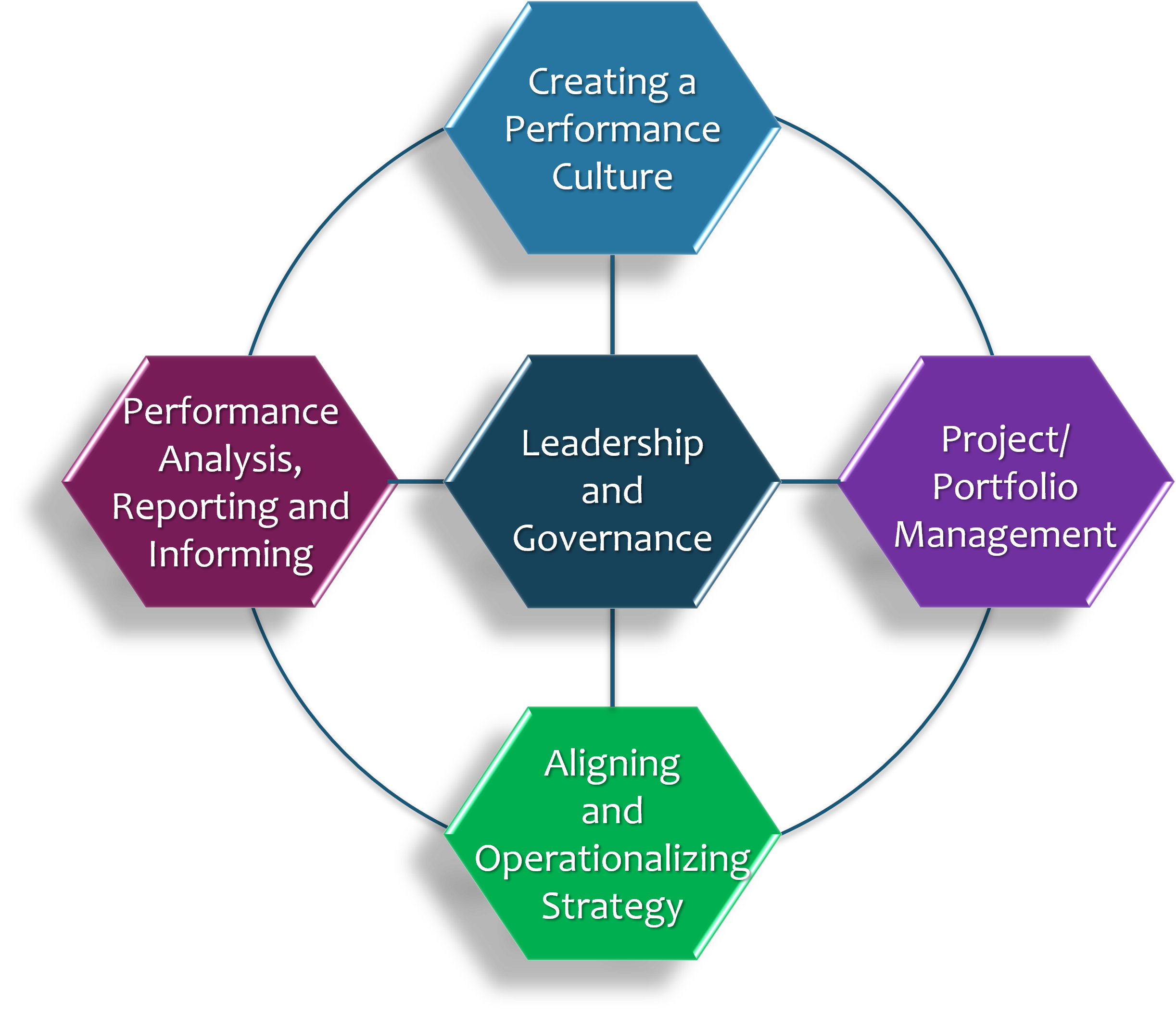
What is Business Strategy Alignment?

At its core, business strategy alignment is the process of integrating an organization's mission, vision, values, strategic objectives, and operational plans with its day-to-day activities, resources, and culture. It means ensuring that every aspect of the business, from the C-suite's long-term vision down to an individual employee's daily tasks, is working in concert towards shared, clearly defined goals. It's about coherence and consistency across all levels and functions of an enterprise.
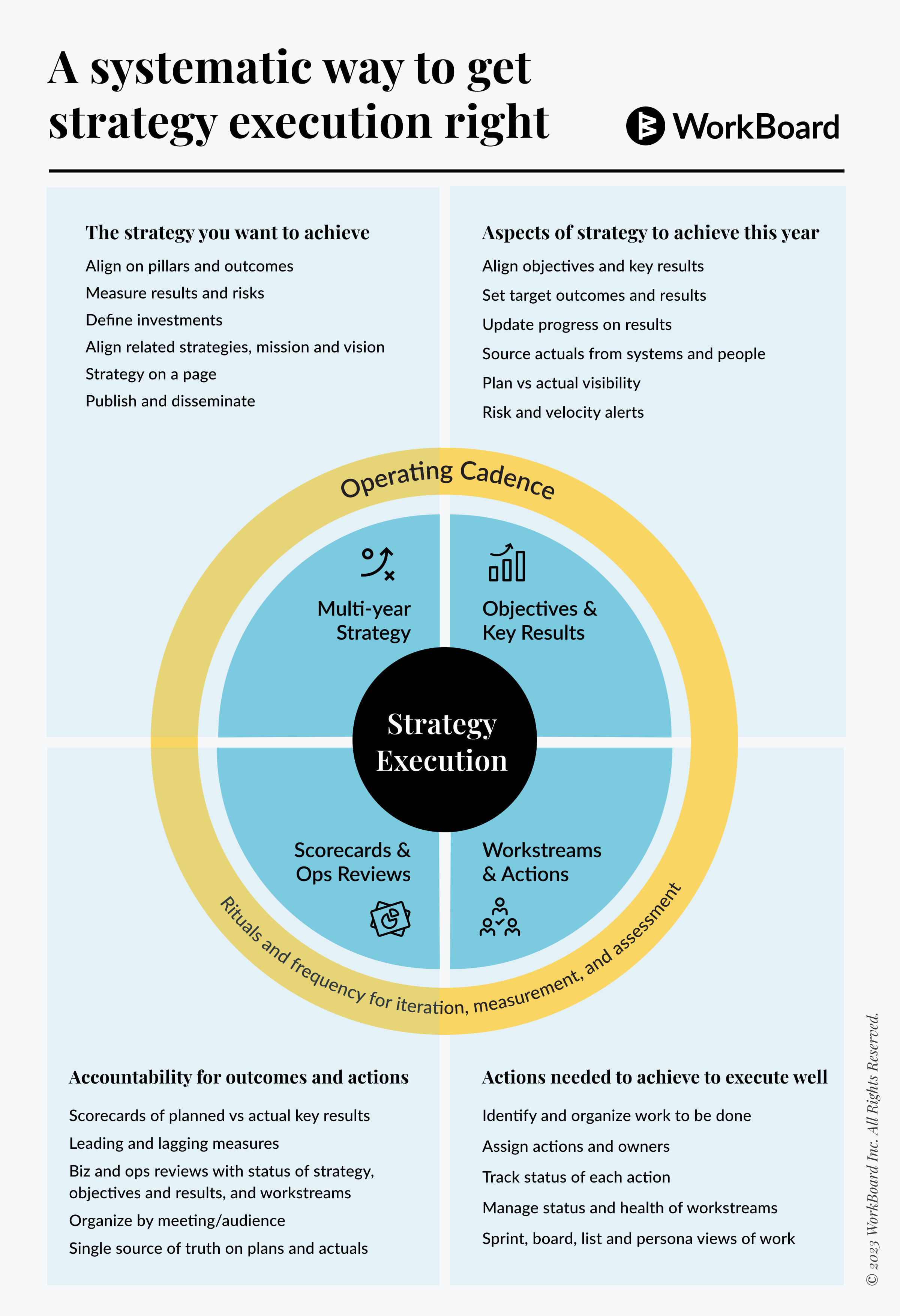
Beyond Departmental Silos
One of the primary aims of strategy alignment is to break down organizational silos. In many companies, departments operate independently, often prioritizing their own objectives over the broader strategic goals. This can lead to conflicting priorities, inefficient resource allocation, and a lack of cross-functional collaboration. Alignment ensures that marketing, sales, product development, human resources, and finance, for example, are all pulling in the same direction, understanding how their individual contributions support the collective strategic agenda.
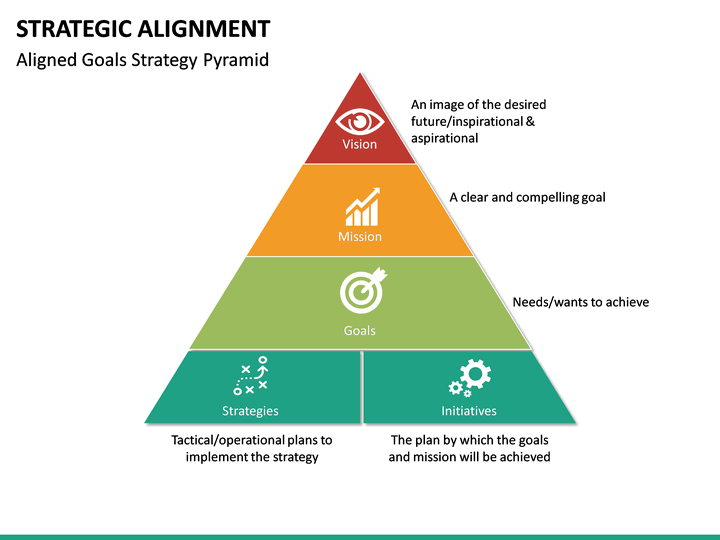
Connecting Vision to Execution
Effective alignment bridges the gap between high-level strategic thinking and practical execution. A compelling vision statement is merely words on paper without a clear pathway for its realization. Alignment provides this pathway by translating strategic imperatives into measurable objectives, cascading those objectives down through the organization, and assigning clear responsibilities. It ensures that the "what" (the strategy) is seamlessly connected to the "how" (the execution). This connection is vital for converting ambitious plans into tangible outcomes and sustained success.

The Critical Importance of Business Strategy Alignment
The significance of strategy alignment cannot be overstated in today’s dynamic business environment. It is a cornerstone for operational excellence, competitive advantage, and long-term organizational health.
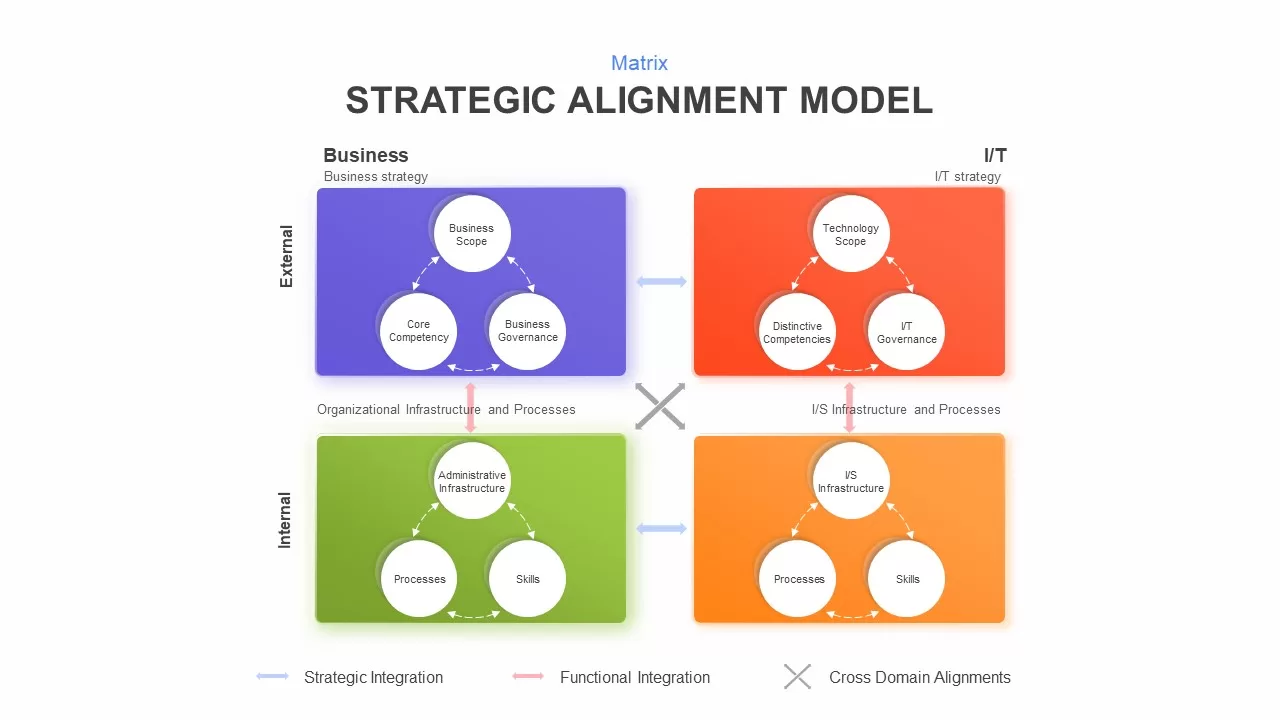
Enhanced Performance and Efficiency
When all parts of an organization are aligned, resources are utilized more effectively, and efforts are not duplicated or misdirected. This leads to significant improvements in operational efficiency and overall performance. Projects are completed faster, waste is reduced, and the organization can respond more quickly to market opportunities and threats. Aligned teams also tend to be more productive as they understand their contribution and work collaboratively towards shared goals.
Improved Decision-Making
Strategy alignment provides a clear framework for decision-making at all levels. When the strategic objectives are well understood, employees are better equipped to make choices that support the organization's overarching goals, rather than pursuing short-term gains or isolated departmental objectives. This leads to more consistent, strategically sound decisions, reducing the risk of costly errors and internal conflicts. It fosters a culture where decisions are made with the 'big picture' in mind.
Increased Agility and Resilience
In an unpredictable world, organizational agility and resilience are paramount. A well-aligned organization can pivot more effectively in response to market shifts, technological advancements, or unexpected challenges. Because everyone is connected to the core strategy, adjustments can be communicated and implemented swiftly across the entire enterprise, minimizing disruption and maintaining momentum. This adaptability is a key differentiator in turbulent markets.
Boosted Employee Engagement and Morale
Employees are more engaged and motivated when they understand how their work contributes to the company's success. Business strategy alignment provides this clarity and purpose. When individuals see the tangible impact of their efforts on the achievement of strategic goals, their job satisfaction and morale increase. This sense of collective purpose fosters a stronger organizational culture and reduces employee turnover, as people feel valued and connected to something larger than themselves.
Common Challenges in Achieving Business Strategy Alignment
While the benefits are clear, achieving true business strategy alignment is often easier said than done. Organizations frequently encounter several hurdles on their journey towards a unified direction.
Lack of Clear Communication
One of the most pervasive challenges is the failure to clearly communicate the strategy throughout the organization. A strategy that resides only in the boardroom or in lengthy, unreadable documents will never permeate the entire enterprise. Employees cannot align with something they don't understand, or worse, are unaware of. This often manifests as a disconnect between strategic intent and operational reality.
Siloed Departments and Internal Politics
As mentioned earlier, departmental silos can severely impede alignment. When departments operate as independent fiefdoms, prioritizing their own metrics and agendas, it creates internal competition rather than collaboration. Internal politics and a lack of cross-functional understanding can lead to resistance to sharing resources, information, or even a basic understanding of each other's roles in the strategic execution.
Resistance to Change and Established Habits
Implementing a new strategy or refining an existing one often requires significant operational and cultural shifts. Resistance to change is a natural human tendency, especially when it involves altering long-established routines, processes, or power structures. Employees and even leaders might be comfortable with the status quo, making it difficult to foster the necessary buy-in and adaptation for successful alignment.
Insufficient Leadership Buy-in and Role-Modeling
Strategy alignment must start at the top. If senior leadership is not fully committed, actively championing the strategy, and visibly role-modeling the desired behaviors, any attempts at alignment will likely fail. Inconsistent messages from leaders or a perceived lack of genuine belief in the strategy can quickly undermine efforts and breed cynicism throughout the organization.
Poorly Defined Metrics and Accountability
"What gets measured, gets done." If strategic goals are not translated into clear, measurable Key Performance Indicators (KPIs), it becomes difficult to track progress and hold individuals or teams accountable. Vague objectives lead to vague outcomes. Furthermore, if accountability is not clearly assigned for these metrics, strategic initiatives can easily lose momentum or be deprioritized amidst competing demands.
Key Pillars for Effective Business Strategy Alignment
Building a robust framework for business strategy alignment requires attention to several interconnected pillars that support and reinforce each other.
Clear Vision, Mission, and Values
The foundation of any successful strategy alignment effort is a clearly articulated vision, mission, and set of core values. These fundamental statements define the organization's ultimate purpose, its reason for existence, and the guiding principles for all its actions. They serve as the "North Star" that all employees can rally around, providing context for every decision and initiative. Without this foundational clarity, alignment becomes impossible.
Strategic Communication
Effective, consistent, and multi-directional communication is perhaps the most critical component of alignment. It's not enough to simply announce the strategy; it must be continually communicated, explained, and reinforced through various channels. This includes town halls, departmental meetings, internal newsletters, and one-on-one discussions. Communication should be a dialogue, allowing employees to ask questions, provide feedback, and understand how their roles contribute to the larger picture.
Goal Cascading and KPIs
The strategy must be broken down into tangible, measurable goals that cascade down from the organizational level to departments, teams, and even individuals. Each level should have specific Key Performance Indicators (KPIs) that directly link to the higher-level strategic objectives. This creates a clear line of sight, ensuring that daily activities are directly contributing to the overarching strategy. Tools like OKRs (Objectives and Key Results) can be highly effective here.
Organizational Structure and Culture
The organizational structure should support, rather than hinder, the strategy. If the structure creates unnecessary barriers between functions or inhibits collaboration, it will undermine alignment. Similarly, the organizational culture must be one that values transparency, collaboration, accountability, and continuous improvement. A culture that resists change or punishes initiative will struggle with alignment, while one that embraces these values will naturally foster it.
Technology and Data Integration
Modern businesses rely heavily on technology and data. Leveraging integrated systems (e.g., ERP, CRM, HRIS) can provide real-time insights into performance against strategic goals. Data analytics can highlight areas of misalignment or opportunities for improvement. Technology also facilitates communication and collaboration, making it easier to share information and track progress across disparate teams.
Continuous Monitoring and Adaptation
Strategy alignment is not a one-time event; it's an ongoing process. Organizations must continuously monitor their progress against strategic KPIs, gather feedback, and be prepared to adapt their strategy or execution plans as circumstances evolve. Regular reviews, performance dashboards, and feedback loops are essential to identify deviations, correct course, and ensure that the organization remains aligned with its strategic objectives in a changing environment.
A Step-by-Step Framework for Implementing Business Strategy Alignment
Implementing effective business strategy alignment is a structured process that requires methodical planning and consistent effort.
1. Define the "North Star"
Begin by clearly defining or reaffirming your organization's vision, mission, and strategic objectives. These should be concise, inspiring, and widely understood. Ensure there is absolute clarity at the top leadership level on what the organization aims to achieve and why. This forms the bedrock upon which all alignment efforts are built.
2. Communicate, Communicate, Communicate
Develop a comprehensive communication plan. This plan should outline what information needs to be shared (the strategy itself, its rationale, expected outcomes), who needs to receive it (all employees), how it will be delivered (multi-channel approach including town halls, departmental meetings, internal platforms), and when (regularly and consistently). Encourage questions and feedback to ensure understanding and buy-in.
3. Translate Strategy into Actionable Goals
Break down the overarching strategic objectives into departmental and individual goals. Use frameworks like SMART goals (Specific, Measurable, Achievable, Relevant, Time-bound) or OKRs to ensure these goals are clear, trackable, and directly link to the strategic imperatives. Each team and individual should understand their specific contribution to the larger strategy.
4. Empower and Engage Employees
Provide employees with the necessary resources, training, and autonomy to achieve their goals. Foster an environment where employees feel empowered to make decisions that align with the strategy. Recognize and reward behaviors and achievements that demonstrate strong alignment and contribute to strategic success. Engaged employees are the driving force of aligned execution.
5. Monitor, Measure, and Adjust
Establish a robust system for monitoring progress against the defined KPIs. Regularly review performance dashboards and conduct strategic review meetings. Identify areas where execution is deviating from the strategy and investigate the root causes. Be prepared to make necessary adjustments to processes, resource allocation, or even the strategy itself based on performance data and changing market conditions. This continuous feedback loop is vital.
6. Foster a Culture of Alignment
Beyond processes, cultivate an organizational culture that inherently values and promotes alignment. This means embedding strategic thinking into daily operations, decision-making, and performance management. Leaders must consistently champion the strategy, model desired behaviors, and reward cross-functional collaboration. Over time, alignment should become an ingrained part of the organization's DNA.
Conclusion
Mastering business strategy alignment is no longer a luxury but a fundamental requirement for success in the volatile global marketplace. It represents the crucial link between aspiration and achievement, transforming a well-conceived strategy into a vibrant, living force that permeates every corner of an organization. By systematically integrating vision, objectives, and daily operations, businesses can unlock unparalleled levels of efficiency, agility, and performance.
The journey to effective alignment demands clear communication, the breaking down of silos, and a commitment to continuous monitoring and adaptation. It requires strong leadership that champions the strategic imperative and empowers employees to understand and contribute to the collective mission. While challenges will inevitably arise, the rewards of a truly aligned organization—including enhanced decision-making, boosted employee engagement, and increased resilience—far outweigh the effort. By embracing the principles and framework outlined, organizations can ensure that every action, every decision, and every resource is precisely calibrated to propel them towards their strategic goals, securing a competitive edge and sustainable growth.