Your Edge Financial Forecasting

In today's dynamic business landscape, navigating uncertainty and making informed decisions is paramount for sustained growth and survival. This is where financial forecasting emerges as an indispensable tool, offering businesses a crystal ball, not for supernatural predictions, but for data-driven insights into their future financial health. It’s the meticulous process of estimating future financial outcomes, such as revenues, expenses, and profits, by leveraging historical data, market trends, and various economic indicators. Through a robust forecasting process, organizations can anticipate challenges, seize opportunities, and allocate resources more effectively, ultimately shaping their strategic trajectory.
Beyond mere guesswork, effective financial forecasting provides a strategic compass, guiding companies through complex economic climates. It helps in understanding potential cash flow fluctuations, identifying periods of capital surplus or deficit, and setting realistic financial targets. Whether a small startup or a multinational corporation, the ability to project future financial performance empowers stakeholders to make proactive, rather than reactive, decisions.

The insights gleaned from accurate forecasts extend across various departments, from operations and marketing to sales and human resources. For instance, sales forecasts directly impact production schedules and inventory management, while expense forecasts inform hiring plans and budget allocations. This interconnectedness underscores the holistic value that precise financial predictions bring to an organization's overall operational efficiency and long-term viability.

Ultimately, mastering financial forecasting is not just about crunching numbers; it's about building resilience and agility into the core of a business. It fosters a culture of forward-thinking, allowing companies to adapt swiftly to market shifts, competitor actions, and evolving customer demands. By regularly revisiting and refining these projections, businesses can maintain a clear line of sight into their financial future, ensuring they are always prepared for what lies ahead.
What is Financial Forecasting?

Financial forecasting is the process of estimating or predicting the future financial results of a company or project. It involves using historical data, current market conditions, and reasonable assumptions about future events to create a projected financial picture. The primary goal is to provide a clear, data-informed basis for strategic planning, budgeting, and decision-making. Unlike mere estimations, robust financial forecasting is systematic, often employing various quantitative and qualitative techniques to enhance accuracy and reliability.
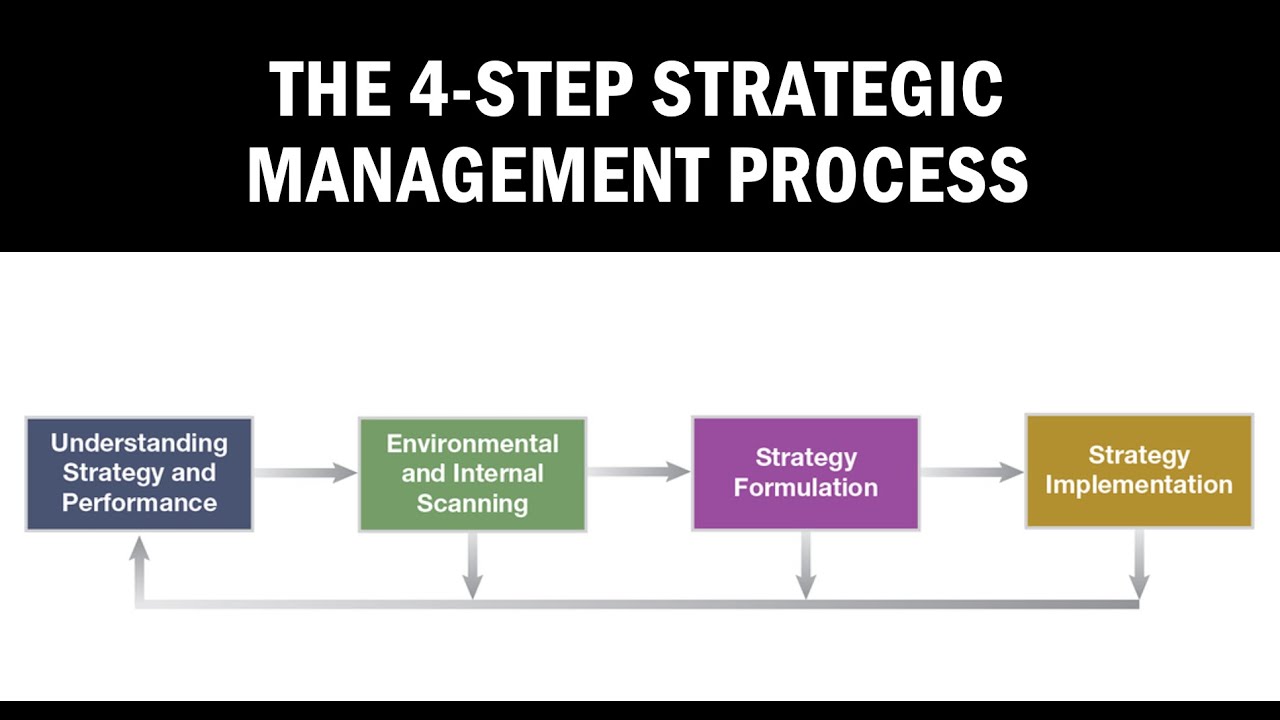
At its core, financial forecasting translates strategic objectives into actionable financial numbers. This can include projecting revenue, expenses, profits, cash flow, and capital expenditures for a specific period, typically ranging from a few months to several years. Businesses often perform different types of forecasts depending on their needs, such as short-term operational forecasts (e.g., weekly cash flow) or long-term strategic forecasts (e.g., five-year growth projections). The output of these forecasts typically includes projected income statements, balance sheets, and cash flow statements, which are critical financial statements providing a comprehensive view of the company’s expected performance.
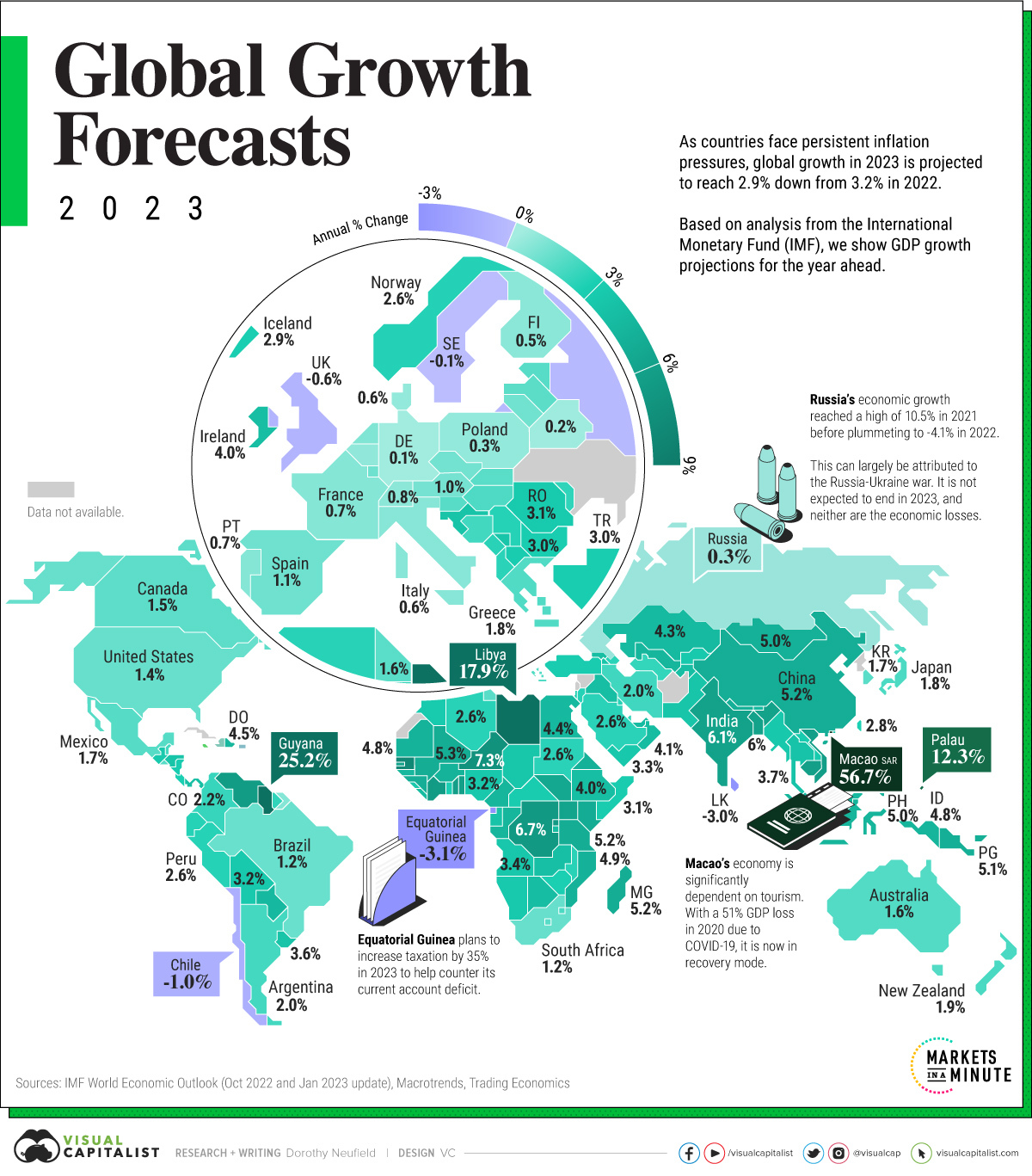
The distinction between forecasting and budgeting is crucial: while a budget is a plan for what a company expects to spend and earn based on specific goals, a forecast is a prediction of what will actually happen given current trends and assumptions. Forecasts are dynamic and are updated more frequently than budgets to reflect changing conditions. This dynamic nature allows businesses to adapt their strategies and operations in real-time, making financial forecasting an ongoing, iterative process rather than a one-time exercise.

Why is Financial Forecasting Essential for Businesses?
The strategic importance of financial forecasting cannot be overstated. It serves as a cornerstone for effective business management, offering a multitude of benefits that directly impact a company's success and sustainability.

Strategic Planning and Decision Making
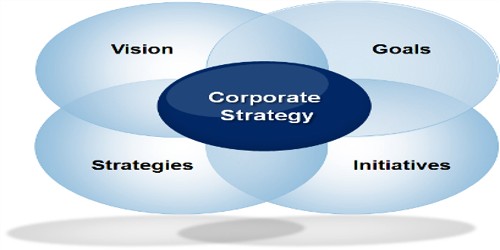
Accurate financial forecasts provide the foundation for sound strategic planning. By understanding potential future revenues, costs, and cash flows, businesses can set realistic goals, evaluate expansion opportunities, assess the viability of new projects, and make informed decisions regarding resource allocation. For example, a reliable revenue forecast can dictate investment in new product development or market entry strategies.
Budgeting and Resource Allocation
Forecasts are instrumental in creating realistic and actionable budgets. They help management determine how much capital is available for different departments, projects, and initiatives. This ensures that resources are allocated efficiently, preventing overspending in some areas and underfunding in others. It allows companies to optimize their operational expenses and capital expenditures to maximize returns.
Risk Management and Mitigation
By identifying potential financial shortfalls or surpluses in advance, financial forecasting enables proactive risk management. Companies can anticipate periods of tight cash flow, potential revenue declines, or increasing costs, and then develop contingency plans to mitigate these risks. This foresight allows businesses to build financial resilience, reducing vulnerability to market downturns or unexpected events.
Performance Measurement and Accountability
Forecasts establish benchmarks against which actual financial performance can be measured. This comparison allows management to identify variances, understand deviations from expected outcomes, and assess the effectiveness of their strategies. It also promotes accountability across different departments, as performance is evaluated against forecasted targets, driving a focus on achieving financial objectives.
Investor Relations and Capital Raising
For companies seeking external funding, robust financial forecasts are non-negotiable. Investors, lenders, and creditors rely heavily on projected financial statements to assess a company's future viability, growth potential, and ability to repay debt. A well-prepared forecast demonstrates a clear understanding of the business model and a credible path to profitability, significantly enhancing a company's attractiveness to potential investors.
Common Types of Financial Forecasting Methods
Several methods are employed in financial forecasting, each suited for different scenarios and data availability. Businesses often combine these approaches to achieve a more comprehensive and accurate picture.
Qualitative Forecasting Methods
These methods are used when historical data is scarce or unreliable, often for new products, technologies, or market conditions. They rely heavily on expert opinions and subjective judgments.
- Delphi Method: Involves a panel of experts who provide anonymous forecasts, which are then summarized and re-circulated for further refinement until a consensus or stable range is reached.
- Market Research: Gathering consumer surveys, focus group feedback, and expert interviews to gauge potential demand and market acceptance.
- Sales Force Opinion: Leveraging the insights of sales personnel who have direct contact with customers and market trends.
Quantitative Forecasting Methods
These methods rely on historical data and mathematical models to predict future outcomes. They are most effective when sufficient, reliable historical data is available.
- Time Series Analysis: Analyzes past data points collected over a period to identify patterns, trends, and seasonal variations.
- Moving Averages: Calculates the average of a specific number of past data points to smooth out short-term fluctuations and identify trends.
- Exponential Smoothing: Similar to moving averages but assigns greater weight to more recent data points, making it more responsive to recent changes.
- Trend Analysis: Identifies linear or non-linear trends in historical data to project future values.
- Seasonal Analysis: Accounts for predictable patterns that repeat over a year (e.g., higher sales during holidays).
- Regression Analysis: Explores the relationship between a dependent variable (e.g., sales) and one or more independent variables (e.g., advertising spend, economic growth, competitor pricing). It helps quantify how changes in independent variables might affect the dependent variable.
- Econometric Models: More complex models that use statistical methods to analyze relationships between economic variables and forecast economic conditions or industry-specific trends.
Scenario Planning
This method involves creating multiple forecasts based on different sets of assumptions (e.g., best-case, worst-case, and most-likely scenarios). It helps businesses prepare for a range of potential outcomes and assess the impact of various economic or market conditions.
Key Steps in the Financial Forecasting Process
A structured approach is vital for effective financial forecasting. While specific steps may vary, the general process includes:
- Define the Forecast Objective and Scope: Clearly articulate what needs to be forecasted (e.g., revenue, cash flow, profit), for what period, and for what purpose (e.g., budgeting, capital expenditure planning, strategic growth).
- Gather Relevant Data: Collect historical financial data (e.g., past sales, expenses, balance sheets), market data (e.g., industry growth rates, competitor performance), economic indicators (e.g., GDP growth, inflation rates), and internal operational data.
- Identify Key Assumptions: This is a crucial step where future events and conditions are hypothesized. Assumptions can include sales growth rates, pricing strategies, cost of goods sold percentages, operating expense ratios, interest rates, and capital investment plans. These assumptions should be realistic and well-documented.
- Select Appropriate Forecasting Methods: Choose the quantitative and/or qualitative methods that best suit the available data, the forecast objective, and the level of accuracy required.
- Develop the Forecast Model: Build financial models, often using spreadsheets or specialized software, to input data and assumptions, and generate projected financial statements (Income Statement, Balance Sheet, Cash Flow Statement).
- Analyze and Validate Results: Review the projected financial statements for reasonableness, consistency, and potential anomalies. Perform sensitivity analysis to understand how changes in key assumptions impact the forecast. Compare against historical trends and industry benchmarks.
- Present and Communicate the Forecast: Clearly present the forecast to stakeholders, explaining the methodology, key assumptions, and the implications of the results. Highlight potential risks and opportunities.
- Monitor and Revise: Financial forecasts are not static. Regularly compare actual performance against the forecast. Update the forecast periodically (e.g., monthly, quarterly) to incorporate new information, reflect changing market conditions, and refine assumptions. This continuous feedback loop is critical for maintaining accuracy and relevance.
Challenges and Best Practices in Financial Forecasting
Despite its undeniable benefits, financial forecasting comes with inherent challenges. Navigating these requires adherence to best practices to enhance accuracy and utility.
Common Challenges:
- Data Quality and Availability: Inaccurate, incomplete, or inconsistent historical data can lead to flawed forecasts. Lack of sufficient data, especially for new ventures, also poses a significant hurdle.
- Uncertainty and Volatility: Economic shifts, market disruptions, technological advancements, and unforeseen global events (like pandemics) introduce high levels of uncertainty, making precise long-term forecasting extremely difficult.
- Assumptions and Bias: Overly optimistic or pessimistic assumptions can skew results. Human bias can unconsciously influence the selection of data or methods.
- Complexity of Models: Overly complex models can be difficult to build, maintain, and interpret, potentially leading to errors or a lack of transparency.
- Lack of Integration: Forecasting often operates in silos, failing to integrate insights from various departments (sales, marketing, operations), leading to inconsistent or incomplete projections.
Best Practices for Effective Financial Forecasting:
- Embrace Scenario Planning: Instead of relying on a single forecast, develop multiple scenarios (e.g., best-case, base-case, worst-case). This prepares the business for a range of potential outcomes and allows for proactive planning.
- Focus on Key Drivers: Identify and thoroughly understand the primary drivers of your business's revenue and costs. Concentrating on these critical variables often yields more accurate results than trying to forecast every line item.
- Regular Review and Revision: Treat forecasting as an ongoing process, not a one-time event. Regularly review actual performance against forecasts and update assumptions and models to reflect new information and changing conditions. This "rolling forecast" approach enhances agility.
- Foster Cross-Functional Collaboration: Involve representatives from sales, marketing, operations, and other relevant departments in the forecasting process. Their insights provide a more holistic and accurate view of future trends and operational realities.
- Document Assumptions Clearly: Maintain detailed documentation of all assumptions made during the forecasting process. This transparency allows for easier review, validation, and future adjustments.
- Leverage Technology: Utilize specialized financial forecasting software, enterprise resource planning (ERP) systems, and business intelligence (BI) tools. These can automate data collection, model building, and scenario analysis, significantly improving efficiency and accuracy.
- Understand Model Limitations: Recognize that no forecast is 100% accurate. Understand the limitations of the chosen methods and the inherent uncertainties. The goal is to be "approximately right" rather than "precisely wrong."
- Continuously Learn and Adapt: Analyze past forecast accuracy to identify areas for improvement. Learn from deviations and refine methodologies and assumptions over time.
Leveraging Technology for Advanced Financial Forecasting
The digital age has revolutionized financial forecasting, moving it beyond manual spreadsheets to sophisticated, AI-driven platforms. Technology now plays a pivotal role in enhancing the accuracy, efficiency, and depth of financial predictions.
Dedicated Forecasting Software
Modern forecasting software solutions offer specialized functionalities far exceeding basic spreadsheet capabilities. These platforms can:
- Automate Data Integration: Pull data from various sources (ERP, CRM, accounting systems) seamlessly, reducing manual effort and errors.
- Advanced Analytics: Provide built-in statistical models, time-series analysis tools, and regression capabilities, often with user-friendly interfaces.
- Scenario Modeling: Allow for rapid creation and comparison of multiple scenarios, instantly showing the financial impact of changing assumptions.
- Dashboards and Reporting: Generate interactive dashboards and customizable reports, making complex financial data easily digestible for stakeholders.
Artificial Intelligence (AI) and Machine Learning (ML)
AI and ML are transforming forecasting by enabling more intelligent and nuanced predictions. These technologies can:
- Identify Hidden Patterns: Uncover complex, non-linear relationships in large datasets that human analysts or traditional models might miss.
- Improve Accuracy: Learn from past forecast errors and automatically adjust models, leading to continuously improving prediction accuracy.
- Process Unstructured Data: Analyze qualitative data like news articles, social media sentiment, or customer reviews to incorporate external factors into forecasts.
- Automate Anomaly Detection: Flag unusual data points or unexpected trends that could significantly impact future performance.
Business Intelligence (BI) and Data Visualization Tools
BI tools, often integrated with forecasting platforms, are crucial for making financial insights actionable:
- Data Aggregation: Consolidate data from disparate sources into a centralized repository.
- Interactive Visualizations: Transform raw numbers into intuitive charts, graphs, and dashboards, making trends and insights immediately apparent.
- Real-time Monitoring: Provide up-to-date performance tracking against forecasts, enabling quicker identification of variances and faster decision-making.
By embracing these technological advancements, businesses can move beyond reactive financial management to proactive, data-driven strategic planning. Technology not only makes the forecasting process more robust but also frees up finance professionals to focus on higher-value activities like analysis, strategic advisory, and interpreting insights, rather than just data compilation.
Conclusion
Financial forecasting is far more than a mere projection of numbers; it is a critical strategic imperative that provides businesses with a profound edge in today's unpredictable economic climate. By systematically anticipating future revenues, expenses, and cash flows, companies gain the foresight necessary for informed decision-making, optimal resource allocation, and proactive risk management. It underpins effective strategic planning, facilitates accurate budgeting, and strengthens a company's appeal to investors and lenders.
While the process presents inherent challenges, such as data quality issues and market volatility, adherence to best practices like scenario planning, cross-functional collaboration, and continuous refinement can significantly enhance forecast accuracy and utility. Furthermore, leveraging cutting-edge technology, including dedicated forecasting software, AI, and robust BI tools, is no longer a luxury but a necessity for unlocking deeper insights and maintaining a competitive advantage. Ultimately, a robust and dynamic approach to financial forecasting empowers organizations to navigate uncertainty with confidence, transform potential challenges into opportunities, and chart a sustainable course for long-term growth and success.