Unlock Growth with Financial Forecasting

The ability to look into the future, predict potential outcomes, and prepare accordingly is a cornerstone of successful business. In the realm of finance, this critical foresight is achieved through financial forecasting. It's not about making wild guesses, but rather employing systematic methods to estimate a company's future financial performance based on historical data, current market conditions, and anticipated events. For any organization aiming for sustainable growth and stability, understanding and implementing robust financial forecasting is indispensable.

Effective forecasting provides a compass, guiding strategic decisions from resource allocation to market expansion. It helps businesses anticipate challenges, identify opportunities, and mitigate risks before they materialize. Without a clear financial outlook, companies operate blindly, reacting to events rather than proactively shaping their destiny.

This comprehensive guide will delve into the intricacies of financial forecasting, exploring its fundamental principles, the various types and techniques employed, and the profound benefits it offers. We will also address the challenges inherent in the process and outline best practices to ensure accuracy and utility.

By mastering the art and science of financial forecasting, businesses can move beyond mere survival to unlock significant growth, optimize operational efficiency, and build enduring resilience in an ever-evolving economic landscape. It empowers leaders to make data-driven decisions, fostering confidence among stakeholders and paving the way for a prosperous future.

What is Financial Forecasting?

Financial forecasting is the process of estimating a company's future financial results and positions based on past performance, current trends, and anticipated future events. It involves using various analytical techniques to predict key financial metrics such as revenue, expenses, profits, cash flow, and asset values over a specific period. Unlike budgeting, which sets a plan for spending and income, forecasting attempts to predict what will actually happen. It serves as a dynamic tool that adapts to changing circumstances, offering a realistic outlook on a company's financial trajectory.

Why is Financial Forecasting Crucial for Business?
The importance of financial forecasting cannot be overstated for any organization, regardless of its size or industry. It provides a strategic lens through which leadership can view potential future scenarios, enabling proactive rather than reactive management. Here's why it's so crucial:

- Strategic Planning: Forecasts are the bedrock of strategic planning, allowing businesses to set realistic goals, identify potential growth areas, and map out long-term initiatives.
- Budgeting and Resource Allocation: By predicting future income and expenses, companies can create more accurate budgets and allocate resources more efficiently to areas that promise the highest return.
- Risk Management: Forecasts help identify potential financial shortfalls, liquidity issues, or market downturns, allowing management to develop contingency plans and mitigate risks effectively.
- Performance Evaluation: Comparing actual results against forecasts provides valuable insights into operational efficiency and the accuracy of assumptions, enabling continuous improvement.
- Investor and Stakeholder Confidence: Accurate forecasts demonstrate a company's understanding of its market and financial health, building trust with investors, lenders, and other stakeholders.
- Decision-Making: From hiring decisions to capital expenditure, every significant business decision benefits from a well-informed financial forecast, reducing uncertainty and improving outcomes.
Key Benefits of Effective Financial Forecasting
Beyond its crucial role in overall business operations, effective financial forecasting delivers a multitude of tangible benefits that directly contribute to a company's success and sustainability.

- Improved Cash Flow Management: By predicting future cash inflows and outflows, businesses can anticipate surpluses or deficits, allowing for timely investment of excess cash or securing financing to cover shortfalls. This prevents liquidity crises and optimizes working capital.
- Enhanced Budgeting Accuracy: Forecasts provide the foundational data for creating realistic and achievable budgets. Instead of arbitrary figures, budgets are built upon informed predictions, leading to better financial control and accountability.
- Strategic Growth Opportunities Identification: Analyzing forecasted trends can reveal emerging market opportunities, potential shifts in consumer behavior, or areas where expansion would be most profitable. This allows companies to strategically invest in growth initiatives.
- Better Inventory and Production Planning: Sales forecasts directly impact inventory levels and production schedules. Accurate predictions minimize overstocking (reducing carrying costs) and understocking (preventing lost sales), leading to optimized supply chains.
- Attracting Investment and Securing Loans: Lenders and investors rely heavily on a company's financial projections to assess risk and potential returns. Well-researched and credible forecasts significantly increase a company's attractiveness for funding.
- Facilitating Performance Benchmarking: Forecasts set a benchmark against which actual performance can be measured. This comparison allows management to identify deviations, understand their causes, and implement corrective actions swiftly.
Common Types of Financial Forecasts
Financial forecasting encompasses various specific types, each serving a distinct purpose and focusing on different aspects of a company's financial health. Understanding these distinctions is key to building a comprehensive financial picture.

- Sales Forecast: Perhaps the most fundamental type, the sales forecast predicts future revenue based on anticipated unit sales and pricing. It's often the starting point for all other forecasts, as revenue drives expenses and profits.
- Cash Flow Forecast: This forecast projects the movement of cash into and out of the business over a specific period. It's critical for managing liquidity, ensuring a company can meet its short-term obligations, and identifying potential cash surpluses or deficits.
- Profit & Loss (Income Statement) Forecast: This forecast projects a company's future revenues, costs of goods sold, operating expenses, and ultimately, its net income (profit or loss). It provides a forward-looking view of profitability.
- Balance Sheet Forecast: This forecast projects the future state of a company's assets, liabilities, and equity. It offers a snapshot of the company's financial position at a given point in time, helping assess solvency and overall financial health.
- Capital Expenditure (CapEx) Forecast: This forecast predicts future spending on significant fixed assets like property, plant, and equipment. It's essential for long-term strategic planning and capital budgeting decisions.
Short-Term vs. Long-Term Forecasting
Financial forecasts are also categorized by their time horizon, which influences the level of detail and the techniques used.
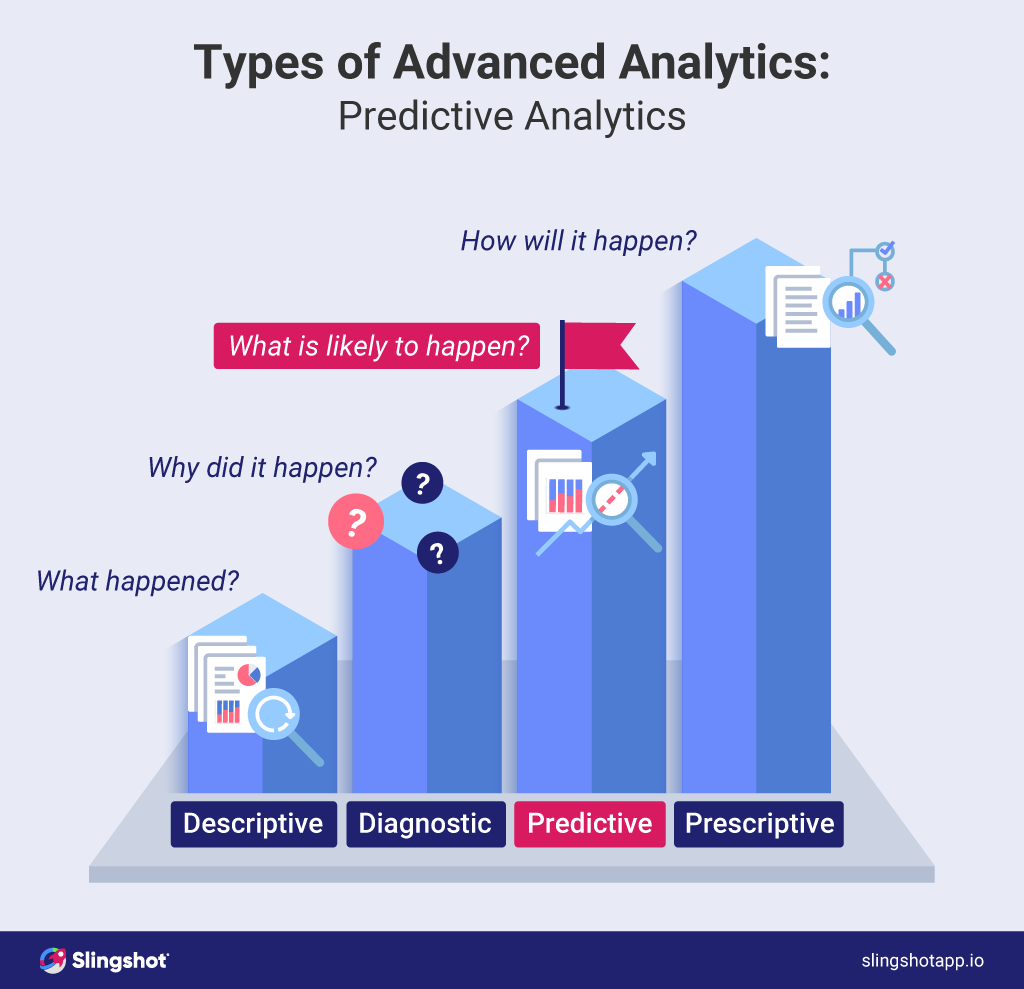
- Short-Term Forecasting: Typically covers periods from one month to one year. These forecasts are highly detailed and are crucial for operational planning, working capital management, and day-to-day decision-making. They focus on immediate liquidity, inventory levels, and production schedules.
- Long-Term Forecasting: Spans periods of three to five years, or even longer. These forecasts are less detailed but provide a strategic outlook for long-term growth, investment decisions, market position, and capital structure. They help businesses plan for major investments, market expansions, and potential mergers or acquisitions.
Essential Techniques and Methodologies in Financial Forecasting
The accuracy and reliability of financial forecasts largely depend on the techniques and methodologies employed. These can be broadly categorized into quantitative and qualitative approaches.
Quantitative Forecasting Methods: These rely on historical data and mathematical models to predict future outcomes.
- Time Series Analysis: This method analyzes past data points collected over time (e.g., monthly sales figures) to identify patterns, trends, seasonality, and cyclical variations. Techniques include moving averages, exponential smoothing, and ARIMA models.
- Regression Analysis: This statistical technique examines the relationship between a dependent variable (e.g., sales) and one or more independent variables (e.g., advertising spend, economic growth, population). It helps understand how changes in independent variables might affect the dependent variable.
- Econometric Models: These are more complex models that use economic theory and statistical methods to forecast economic variables, which in turn can influence a company's financial performance.
- Financial Ratios and Trend Analysis: Analyzing historical financial ratios (e.g., gross profit margin, debt-to-equity) and identifying trends can provide insights into future performance.
Qualitative Forecasting Methods: These methods are used when historical data is scarce or unreliable, or when significant market shifts are expected. They rely on expert judgment and subjective insights.
- Delphi Method: Involves soliciting opinions from a panel of experts through a series of questionnaires. Responses are aggregated and shared anonymously, allowing experts to revise their estimates until a consensus is reached.
- Market Research: Gathering information directly from customers, suppliers, and competitors through surveys, interviews, and focus groups to gauge future demand and market conditions.
- Sales Force Opinion: Collecting insights directly from sales teams who are on the front lines and have direct knowledge of customer needs and market dynamics.
- Executive Opinion: Leveraging the collective wisdom and experience of senior management and executives within the organization.
Software and Tools for Financial Forecasting
The complexity of modern businesses often necessitates the use of specialized software and tools to enhance the accuracy and efficiency of financial forecasting. These tools range from simple spreadsheets to sophisticated enterprise resource planning (ERP) systems and dedicated forecasting platforms.
- Spreadsheet Software (e.g., Microsoft Excel, Google Sheets): Widely used for its flexibility, customizability, and ability to handle various mathematical formulas. Ideal for smaller businesses or for building initial models. However, they can become unwieldy for very large datasets or complex scenarios.
- Business Intelligence (BI) Tools: These tools integrate data from various sources, provide robust reporting, and often include forecasting capabilities. They help visualize trends and anomalies more effectively.
- Enterprise Resource Planning (ERP) Systems: Comprehensive software suites (e.g., SAP, Oracle, NetSuite) that integrate all aspects of a business, including finance, sales, and operations. Many ERP systems have built-in forecasting modules that leverage real-time operational data.
- Dedicated Forecasting and Planning Software: Specialized platforms designed specifically for financial planning and analysis (FP&A), budgeting, and forecasting. Examples include Anaplan, Adaptive Planning (Workday), and Host Analytics. These offer advanced modeling, scenario analysis, and collaborative features.
- Statistical Software (e.g., R, Python with libraries like Prophet or statsmodels): For users with strong statistical knowledge, these programming languages offer powerful capabilities for implementing advanced quantitative forecasting models and machine learning algorithms.
The choice of tool depends on the company's size, complexity, budget, and the expertise of its finance team. The right tools can significantly streamline the forecasting process, improve accuracy, and enable more sophisticated scenario analysis.
The Financial Forecasting Process: A Step-by-Step Guide
Effective financial forecasting isn't a one-time event; it's an ongoing, iterative process. Following a structured approach can significantly enhance accuracy and utility.
- Define Objectives and Time Horizon: Clearly articulate what the forecast aims to achieve (e.g., project cash flow for the next quarter, forecast revenue for the next 3 years) and the specific time period it covers.
- Gather Relevant Data: Collect historical financial data (sales, expenses, balance sheets, cash flow statements), operational data (production volumes, customer numbers), and external economic data (GDP growth, inflation rates, industry trends). Ensure data accuracy and consistency.
- Identify Key Assumptions: This is a crucial step. Based on the gathered data and expert judgment, define the underlying assumptions that will drive the forecast. These include assumptions about sales growth rates, pricing, cost of goods sold percentages, operating expense trends, tax rates, and economic conditions. Be realistic and document all assumptions clearly.
- Choose Appropriate Forecasting Methods: Select the most suitable quantitative and qualitative techniques based on the objectives, data availability, and the nature of the business. Often, a combination of methods yields the best results.
- Build the Financial Model: Construct a spreadsheet or use forecasting software to build the financial model. Input historical data and the defined assumptions into the chosen methodologies to generate the projected financial statements (P&L, cash flow, balance sheet).
- Perform Scenario Analysis: Develop multiple scenarios (e.g., best-case, worst-case, most likely) by varying key assumptions. This helps understand the potential range of outcomes and assess the business's resilience to different economic conditions.
- Analyze and Interpret Results: Review the generated forecasts critically. Are the results logical? Do they align with strategic goals? Identify significant deviations from expectations and understand their root causes.
- Communicate and Present Findings: Clearly present the forecasts and their underlying assumptions to stakeholders. Explain the implications of the forecasts for decision-making and strategic planning.
- Monitor, Review, and Adjust: Financial forecasts are not static. Continuously monitor actual performance against forecasts. Regularly review the forecast's accuracy and adjust assumptions and models as new information becomes available or market conditions change. This iterative process ensures the forecast remains relevant and reliable.
Challenges and Best Practices in Financial Forecasting
Despite its immense benefits, financial forecasting is fraught with challenges. Recognizing these obstacles and adopting best practices can significantly improve forecast accuracy and utility.
Challenges:
- Data Accuracy and Availability: Inaccurate, incomplete, or inconsistent historical data can lead to flawed forecasts. Lack of relevant data for new products or markets also poses a challenge.
- Uncertainty and Volatility: Economic fluctuations, geopolitical events, technological disruptions, and sudden market shifts make precise long-term forecasting extremely difficult.
- Assumptive Bias: Forecasts are highly dependent on assumptions, which can be influenced by optimism, pessimism, or a lack of objective insight from the forecaster.
- Complexity: As businesses grow, the number of variables and interdependencies increases, making the forecasting model more complex and prone to errors.
- Lack of Integration: Siloed data and disconnected departments can hinder the creation of a holistic and accurate forecast.
- Resistance to Change: Stakeholders may resist forecasts that deviate significantly from expectations or historical norms, leading to pressure to manipulate figures.
Best Practices:
- Embrace an Iterative Process: Treat forecasting as a continuous cycle of planning, monitoring, and adjustment, not a one-off task.
- Use Multiple Methodologies: Combine quantitative methods with qualitative insights to gain a more comprehensive and robust forecast.
- Document All Assumptions: Clearly state and document every assumption made. This enhances transparency, facilitates review, and allows for easy adjustments.
- Engage Cross-Functional Teams: Involve sales, marketing, operations, and other relevant departments in the forecasting process. Their insights are invaluable and foster a sense of ownership.
- Focus on Key Drivers: Identify the critical variables that have the most significant impact on your financial outcomes and dedicate more effort to accurately forecasting them.
- Perform Sensitivity and Scenario Analysis: Understand how changes in key assumptions affect the outcomes. This prepares the business for various potential futures.
- Regularly Review and Recalibrate: Compare actual results against forecasts and identify variances. Use these insights to refine assumptions and improve the forecasting model's accuracy over time.
- Keep Models Simple (Where Possible): While complexity can be necessary, strive for the simplest model that adequately captures the relevant dynamics. Overly complex models can be hard to maintain and prone to errors.
- Leverage Technology: Utilize appropriate forecasting software and tools to automate processes, handle large datasets, and perform advanced analysis more efficiently.
Conclusion
Financial forecasting is far more than just predicting numbers; it is a strategic imperative that empowers businesses to navigate the future with confidence and precision. By systematically estimating future financial performance, companies gain invaluable insights that drive informed decision-making, optimize resource allocation, mitigate risks, and ultimately, unlock sustainable growth.
From understanding the diverse types of forecasts and mastering various analytical techniques to adopting a structured process and embracing best practices, the journey to effective financial forecasting is continuous. While inherent uncertainties will always exist, a commitment to accurate data, well-documented assumptions, cross-functional collaboration, and regular recalibration will significantly enhance the reliability and utility of your financial outlook. In today's dynamic economic environment, the ability to anticipate and adapt is paramount, and robust financial forecasting provides the essential compass for charting a course toward enduring success and prosperity.